Fine coal recovery remains the heartbeat of a profitable coal preparation plant. Every ton of combustible material that reports to the tailings pond is more than a technical failure; it is a direct erosion of your bottom line. Plant operators and metallurgists today navigate an increasingly complex landscape, where the daily mandate is to balance peak froth stability against the rigid selectivity required by modern contract specifications. Recent industry shifts reflect a broader move toward precision processing. As run-of-mine ore qualities fluctuate and clay content rises, traditional commodity chemicals are struggling to maintain performance. Market trends clearly indicate a pivot toward engineered, synthetic reagent suites designed for superior control over froth hydrodynamics. Strategic reagent selection has transitioned from an optional operational tweak to an essential economic lever. By integrating advanced chemistry like the
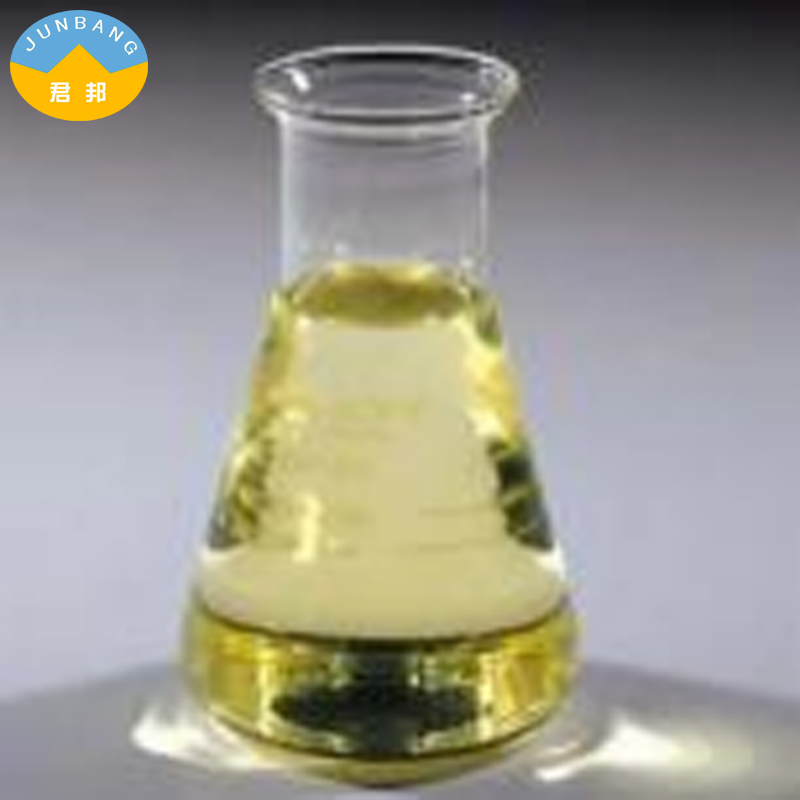
JQM-02 coal flotation frother, facilities can successfully navigate unpredictable feed conditions and maximize mineral recovery across complex processing circuits.
Key Takeaways
- Choosing the correct chemical formulation directly impacts combustible recovery, ash rejection, and overall plant economics by preventing valuable fine coal from reporting to tailings.
- While traditional reagents have served as historical mainstays, they present documented limitations regarding volatility, operational safety, and selectivity in modern, high-clay circuits.
- Engineered solutions offer a specialized chemical profile designed to produce a stable, uniform bubble structure, yielding higher selectivity and potentially lowering overall dosage requirements.
- Integrating new chemistry into the flotation circuit requires a thorough understanding of specific dosing points, collector compatibility, and feed characteristics.
- Conducting laboratory bench testing and implementing real-time visual froth monitoring are essential best practices when transitioning between different flotation agents to ensure uninterrupted plant efficiency.
The Role of a Coal Flotation Frother in Mineral Recovery
At its core, froth flotation is a three-phase physicochemical process involving solids, liquids, and gas. The fundamental principle relies on exploiting the differences in surface properties between combustible coal and non-combustible ash-forming minerals. Hydrocarbon collectors are introduced into the slurry to selectively coat the coal particles, rendering them highly hydrophobic. Simultaneously, surface-active agents are added to reduce the surface tension of the water. This reduction allows for the generation of countless tiny air bubbles. As these bubbles rise through the mechanical cell, the hydrophobic coal particles attach to them and are carried to the surface, while hydrophilic gangue minerals remain submerged and are eventually discharged as tailings. Froth stability is arguably the most critical hydrodynamic parameter in a flotation cell. A properly selected chemical prevents premature bubble coalescence, where smaller bubbles merge into larger, less effective ones. If bubbles expand too quickly, their combined surface area drops, forcing coal particles to detach and sink back into the pulp zone. The froth must possess enough structural integrity to support the weight of the coal particles as they travel over the weir. Conversely, if the froth is overly stable, it becomes a persistent, sticky mess that prevents the froth from breaking down in product flumes, leading to downstream complications like overflowing sumps and blinded filter cloths. The ultimate objective of any coal preparation plant is to maximize clean coal yield while adhering to strict ash specifications. High-quality reagents assist in this balance by facilitating the drainage of entrained water from the froth phase. Because hydrophilic gangue minerals like ultrafine clays are primarily carried into the product via water entrainment, a well-drained froth significantly improves ash rejection. An optimized bubble structure allows this gangue-laden water to drain back into the pulp while retaining the combustible material.
Key Factors in Coal Flotation Frother Selection
The inherent properties of your feed material dictate the required strength and carrying capacity of the flotation bubbles. Different coal ranks exhibit varying degrees of natural surface hydrophobicity. High-rank anthracite, for instance, typically requires robust lifting power to float dense particles. In contrast, lower-rank sub-bituminous coals often possess more oxygen functional groups, making them harder to float and demanding a highly selective approach. Coarse coal particles usually require a strong bubble film to prevent detachment under high turbulence, whereas ultra-fine particles prioritize a tightly packed, shallow froth bed to minimize the physical entrainment of ultrafine clays. Flotation does not occur in a vacuum; it takes place in process water that is continuously recirculated. The chemistry of this water heavily influences reagent performance. High levels of total dissolved solids and elevated concentrations of calcium or magnesium ions can naturally stabilize bubbles, potentially leading to severe over-frothing if standard chemical dosages are used. Additionally, extreme pH variations can alter the ionization state of certain chemical agents. Plant operators must prioritize a reagent that maintains consistent surface activity across the specific pH and water hardness parameters unique to their facility. Chemical reagents rarely function in isolation. The synergy between your frothing agent and the chosen non-polar collector, such as diesel or proprietary synthetic blends, is paramount. A well-matched formulation lowers interfacial tension, assisting in the emulsification and dispersion of the collector throughout the slurry. If the collector is not adequately dispersed, it forms large, inefficient droplets, leading to high chemical consumption and poor combustible recovery.
Traditional Reagents: MIBC Frother vs. 2# Flotation Agent
Methyl Isobutyl Carbinol has served as the baseline standard in mineral processing for decades. As a branched-chain aliphatic alcohol, the
MIBC frother is highly regarded for its excellent selectivity and fast flotation kinetics. It produces a relatively brittle froth that drains water rapidly, making it highly effective at rejecting fine gangue minerals. However, it carries significant operational drawbacks. When summer temperatures rise on the plant floor, its high volatility and low flash point become glaring safety hazards, necessitating stringent protocols for transport and storage. Furthermore, due to the fragile nature of its bubbles, it often struggles to provide the carrying capacity required for optimal coarse particle recovery. Typically formulated from pine oil or terpineol-based derivatives, the
2# flotation agent represents the other end of the spectrum. It is renowned for producing a highly viscous, robust, and stable froth. This makes it an excellent choice for circuits prioritizing the recovery of larger, heavier coal particles that would otherwise detach from weaker bubbles. Despite its impressive lifting power, it is generally less selective. The highly stable froth tends to entrain significant amounts of water, inadvertently pulling hydrophilic ash-forming minerals into the clean coal product. The persistence of this froth frequently causes severe downstream handling issues, often requiring the use of expensive defoaming agents.
Introducing the JQM-02 Coal Flotation Frother
To address the inherent limitations of traditional aliphatic alcohols and terpene-based chemicals, modern metallurgical engineering has shifted toward specialized, synthetic blends. The JQM-02 formulation represents this new generation of engineered reagents. While maintaining a proprietary composition, its chemical profile is specifically synthesized to meet the rigorous demands of modern coal preparation plants. By carefully controlling the hydrophile-lipophile balance within its molecular structure, it provides consistent surface activity across a wider range of pulp conditions than conventional single-component chemicals. The primary metallurgical advantage of this advanced reagent lies in its ability to generate a highly uniform bubble size distribution. It effectively occupies the operational middle ground between extreme brittleness and excessive stickiness. The resulting froth structure is strong enough to securely transport coarse coal particles to the launder without premature detachment, yet it remains sufficiently mobile to allow for the effective drainage of entrained water. This uniform structure yields high selectivity, enabling operators to reject fine clays while simultaneously maintaining high combustible recovery rates. Beyond metallurgical performance, modern plant operations must prioritize environmental compliance and worker safety. Compared to traditional volatile reagents, this engineered solution exhibits a significantly higher flash point and lower vapor pressure. This reduction in volatility dramatically decreases the flammability risks associated with bulk chemical storage in industrial environments. Consequently, less chemical is lost to the atmosphere via evaporation, improving working conditions on the plant floor by reducing strong chemical odors and minimizing airborne volatile organic compound emissions.
Where JQM-02 Fits in the Coal Flotation Circuit
Maximizing the efficacy of any flotation chemical requires strategic injection points. Because the formula is engineered for rapid dispersion, operators have flexibility in their dosing strategies. Introducing the reagent directly into the mechanical flotation cell intake often yields immediate micro-bubble generation, optimizing the air-dispersion mechanics of the rotor-stator assembly. For circuits dealing with highly oxidized or difficult-to-float feed, staged addition—adding a portion to the conditioning tank and the remainder down the bank of cells—can ensure a consistent active concentration, preventing reagent starvation in the scavenger cells. Coal preparation plants rarely receive a perfectly consistent feed. Spikes in ash content, fluctuations in solids concentration, and the sudden presence of weathered coal can destabilize a circuit instantly. Advanced synthetic reagents demonstrate a high degree of operational resilience under these fluctuating conditions. Stable surface-active properties allow the froth integrity to hold even when the proportion of high-ash material spikes, preventing the sudden collapse of the froth zone that typically plagues more sensitive, traditional chemicals. The interaction between engineered frothers and standard non-polar hydrocarbon collectors frequently yields highly beneficial synergistic effects. Due to its specific molecular structure, the reagent lowers the interfacial tension between the aqueous phase and the oily collector with exceptional efficiency. This enhanced emulsification allows the collector to disperse into finer droplets, drastically increasing the probability of collector-coal collisions. From a practical standpoint, plants often observe that they can incrementally reduce their overall collector dosage without sacrificing combustible recovery.
Direct Comparison and Economic Impact
When analyzing metallurgical performance, combustible recovery and product ash must be evaluated simultaneously. Empirical plant data routinely indicates that modern synthetic blends can yield combustible recovery rates that exceed those achieved with traditional alcohols, primarily due to superior retention of coarser particles. Concurrently, because the optimized froth structure allows for adequate drainage of entrained water, it maintains a lower product ash content than heavy pine-oil derivatives. This dual capability makes it particularly valuable for circuits struggling to meet strict contract ash specifications. Evaluating chemical costs requires looking far beyond the simple price per kilogram; the true metric is the dose-to-performance ratio. While specialized, engineered reagents may carry a different initial unit cost compared to commoditized chemicals, their consumption rates are often markedly lower. Because the formula generates a highly efficient bubble surface area, plants can frequently achieve target recovery rates at a much lower grams-per-ton dosage. When combined with potential reductions in collector usage and increased revenue from higher clean coal yields, the overall return on investment strongly favors the optimized chemical suite. The lifecycle of a flotation bubble does not end at the cell lip; it must be managed through the entire dewatering circuit. If you have ever watched a centrifuge struggle with persistent froth, you understand the value of a brittle bubble structure. The sticky froth generated by heavy traditional agents often survives the journey to the vacuum filters, where it creates air locks, blinds filter media, and increases the final product's moisture content. Engineered solutions are designed to provide stability strictly within the flotation cell. Once subjected to the mechanical shear of the launders and pump sumps, the froth breaks down efficiently.
Best Practices for Optimizing Your Coal Flotation Frother Setup
Transitioning to a new chemical regime should never occur blindly at the plant level. Plant metallurgists are strongly advised to perform comprehensive laboratory bench-scale testing prior to full-scale implementation. Baseline release analysis and fractional flotation tests should be conducted using representative samples of the current plant feed. These tests establish the theoretical maximum recovery and allow operators to plot accurate grade-recovery curves, providing empirical data on performance under controlled hydrodynamics. Modern flotation optimization relies heavily on continuous observation. Implementing real-time froth monitoring via automated camera systems and machine vision software is highly recommended. These systems analyze froth velocity, bubble size distribution, and froth color in real-time. By continuously monitoring these parameters, operators can make precise, data-driven adjustments to the dosing pumps, ensuring the chemical concentration remains optimal despite hourly variations in feed tonnage or slurry density. Finding the metallurgical sweet spot requires careful calibration of the collector-to-frother ratio. Over-dosing the frother can lead to excessive water entrainment and high product ash, while under-dosing results in brittle froth and lost coal. Operators should utilize a systematic step-testing methodology—adjusting the frother dosage in small increments while holding the collector constant, and vice versa. Documenting the yield and ash data from these controlled shifts allows the plant to establish a dynamic dosing matrix that guarantees maximum economic efficiency.
FAQ
What is the best coal flotation frother?
The ideal reagent depends entirely on your specific coal rank, circuit water chemistry, and unique plant setup; there is no universal solution. However, specialized engineered reagents are increasingly preferred across the industry over traditional options. They offer a superior, controllable balance of selectivity, froth stability, and operational safety that commodity chemicals struggle to match.
How does JQM-02 compare to an MIBC frother?
While MIBC provides excellent selectivity and fast kinetics, it is highly volatile, flammable, and frequently struggles with coarse particle recovery. Engineered alternatives offer similar or superior selectivity but feature a much more uniform bubble structure, significantly lower volatility, and an improved safety profile. Furthermore, these modern blends typically require a lower overall dosage to achieve equivalent or better metallurgical results.
What is a 2# flotation agent used for?
Typically derived from pine oil or terpineol, this is a traditional chemical known for creating very strong, highly stable bubbles. It is primarily used when lifting coarse, heavy particles is the main priority in a circuit. Unfortunately, its excessive stability often causes severe downstream dewatering issues, and it generally results in lower selectivity, which can lead to unwanted high ash content in the final clean coal product.
How do I determine the right dosage for a coal flotation frother?
Proper dosage must always be determined through systematic laboratory bench-scale testing, followed by closely monitored plant trials. Operators must continuously adjust the chemical dosage based on the feed's solids concentration, particle size distribution, and the desired economic balance between total clean coal yield and the target ash content specification.


