
close
Choose Your Site
Global
Social Media


Views: 0 Author: Site Editor Publish Time: 2026-11-01 Origin: Site


Are your ore grades dropping rapidly? Processing complex sulfide ores presents a unique set of challenges for metallurgists and plant operators today. With declining ore grades and increasingly intricate mineralogies, achieving high recovery rates without sacrificing concentrate grade requires highly precise chemical strategies. Poor selectivity ultimately ruins your final concentrate quality. This directly leads to steep financial penalties from smelters.
Enter specialized flotation collectors. Traditional, aggressive collectors tend to float valuable minerals and unwanted gangue alike. Targeted reagents, however, allow operators to isolate specific metals while effectively rejecting iron sulfides. In this comprehensive guide, we will explore the chemical properties of a highly specialized collector. We will break down how it interacts with complex sulfide matrices and detail how to seamlessly integrate it into your existing flotation circuit to optimize metallurgical performance.
Key Takeaways
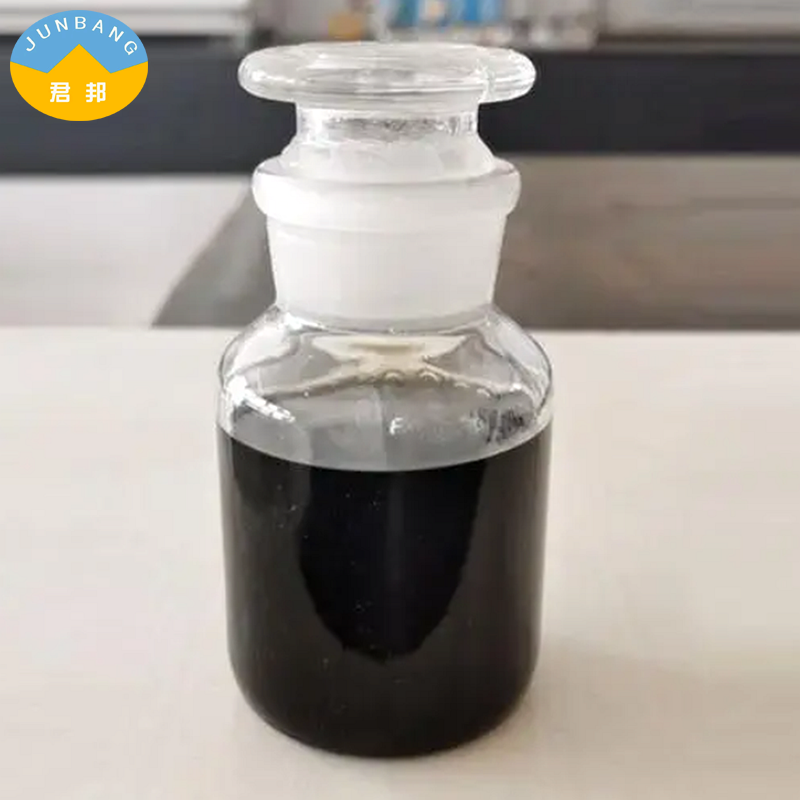
To fully grasp its application, operators must first examine the chemical profile of dithiophosphate 25. Chemically, it is primarily composed of dicresyl dithiophosphoric acid. In its physical state, it typically presents as a dark brown to blackish-brown, highly viscous liquid with a distinct, pungent odor. Industrial-grade formulations generally feature a specific gravity between 1.17 and 1.20, ensuring a dense, active concentration of the collection agent.
Unlike solid collectors that require extensive and messy mixing systems, its liquid form allows for direct pumping. This enables precise dosing control directly onto the plant floor using positive displacement pumps. Furthermore, a defining characteristic of this chemical is its dual functionality. While its primary role is to act as a flotation collector by hydrophobizing target mineral surfaces, it also exhibits natural frothing properties. This intrinsic frothing capability alters the surface tension of the pulp. In many operational scenarios, this naturally reduces or entirely eliminates the need for supplementary frothers in specific flotation banks.
Within the broader landscape of mineral processing, dithiophosphates occupy a distinct niche compared to standard xanthates. Xanthates are universally recognized as strong, aggressive bulk collectors. They provide excellent overall recovery rates but often lack the chemical precision needed to separate valuable minerals from gangue. In contrast, dithiophosphates offer a weaker overall collection pull but demonstrate significantly higher selectivity. This specific chemical group targets specific metal ions. It empowers operators to float valuable minerals without dragging unwanted iron sulfides over the lip into the concentrate.
Complex sulfide ores consist of polymetallic deposits containing a tight, intricate matrix of copper, lead, zinc, and iron sulfides. Processing these ores presents significant metallurgical hurdles. The primary difficulty lies in mineral liberation. Because the valuable minerals are finely disseminated within the host rock, the ore requires ultra-fine grinding to separate the distinct mineral phases.
Recent metallurgical trends indicate a decisive industry pivot regarding these complex ores. As massive, high-grade deposits deplete globally, mining operations are forced to process highly disseminated, ultra-fine sulfides with escalating pyrite-to-copper ratios. This macroeconomic shift makes brute-force bulk collection obsolete. Modern plants now demand precision surface chemistry to handle high-pyrite matrices without inflating operational costs through excessive lime consumption. Plant operators are actively seeking highly selective solutions to avoid steep smelter penalties associated with dirty concentrates.
However, excessive grinding introduces the severe risk of slimes generation. Ultra-fine particles behave unpredictably in flotation cells. They often coat larger particles or drastically increase reagent consumption through high surface area exposure. Consequently, metallurgists must carefully balance the grind size to achieve adequate liberation without compromising the physical dynamics of the flotation froth.
The most persistent and costly issue in complex sulfide flotation is the presence of iron sulfides, primarily pyrite and pyrrhotite. Iron sulfides often float alongside valuable copper or lead minerals. When this happens, they severely dilute the final concentrate grade. High iron and sulfur content in the final product directly leads to increased smelting penalties and significantly lower profit margins.
Standard, unselective collectors, such as Potassium Amyl Xanthate or Sodium Isopropyl Xanthate, struggle immensely with this issue. They tend to float pyrite almost as aggressively as they float chalcopyrite or galena. To suppress pyrite when using xanthates, operators are forced to elevate the circuit pH significantly using large quantities of lime. This not only increases operating costs but can also inadvertently depress the recovery of precious metals like gold and silver.
The exceptional selectivity of this collector stems directly from its specific molecular structure. The dicresyl groups create steric hindrance, which fundamentally influences how the molecule interacts with different mineral surfaces. Plant trial data consistently demonstrates that it chemisorbs strongly onto the surfaces of copper minerals like chalcopyrite and chalcocite, as well as lead minerals like galena.
Crucially, the molecule exhibits a remarkably low affinity for iron sulfides. It naturally ignores pyrite and pyrrhotite, even at lower pH levels where traditional xanthate collectors would completely fail to differentiate between the minerals. This specific chemisorption mechanism is exactly what allows plant operators to achieve high-grade concentrates without relying on extreme, costly alkaline conditions.
Beyond base metals, this collector demonstrates a specific, highly valuable affinity for silver-bearing minerals. In polymetallic deposits where silver is present as a secondary economic driver, maximizing its recovery is vital for overall plant profitability. Metallurgical testing frequently shows that substituting standard bulk collectors with this specialized reagent increases the reporting of silver to the final concentrate. This makes it a standard, go-to choice in silver-rich lead-zinc operations.
Integrating a new reagent into an existing flotation circuit requires a thorough understanding of plant hydrodynamics, mineral liberation profiles, and the specific metallurgical objectives of each flotation stage. This reagent is not a universal replacement for all bulk collectors. Rather, it is a precision tool designed for specific circuit locations where selectivity is the primary operational constraint.
To assist plant engineers in making data-driven decisions, the following table outlines how different reagents align with specific metallurgical goals.
| Reagent Type | Primary Target Minerals | Selectivity Profile | Best Circuit Fit |
|---|---|---|---|
| Dithiophosphate 25 | Copper, Lead, Silver | Exceptional pyrite and sphalerite rejection. Strong natural frothing. | Cleaner circuits, high-pyrite polymetallic ores. |
| Sodium Diisobutyl Dithiophosphate | Copper, Gold | Excellent for precious metals. Minimal natural frothing. | Copper-gold rougher circuits prioritizing gold recovery. |
| Ammonium Dibutyl Dithiophosphate | Lead, Silver, Copper | Strong collector for oxidized or tarnished surfaces. | Lead-zinc separation, heavily oxidized ores. |
The fundamental goals of rougher and cleaner circuits differ significantly. This dictates the exact type of collector required for optimal performance.
In the rougher circuit, the primary objective is to maximize the recovery of valuable minerals before they are lost to the tailings. Consequently, operators typically rely on strong, aggressive bulk collectors. However, in highly complex polymetallic ores where early iron depression is critical, selective dithiophosphates can be introduced as a secondary or co-collector. By utilizing it in the rougher stage, metallurgists can achieve a moderate boost in early concentrate grade without inadvertently pulling excessive amounts of barren gangue. This strategic move reduces the circulating load on the subsequent regrind and cleaner circuits.
In contrast, the cleaner circuit is the true operational home for this specialized collector. In these stages, the objective shifts entirely from bulk recovery to upgrading the concentrate to meet strict smelter specifications. Replacing a strong, unselective collector with a highly selective one in the cleaner banks drastically improves the rejection of iron sulfides and sphalerite. Empirical plant data frequently demonstrates that this substitution allows for a significant upgrade in the final copper, lead, or silver concentrate grade.
From a hydrodynamic perspective, circuit dynamics are heavily influenced by the physical properties of the froth. Because this collector possesses inherent frothing characteristics, its introduction will visibly alter the bubble structure and froth stability within the cells. It tends to produce a brittle, moderately loaded froth that is highly conducive to the drainage of entrained gangue particles.
Plant operators must account for this by proactively adjusting dedicated frother dosages. When introducing it into a circuit, it is standard practice to incrementally reduce the dosage of the primary frother, such as Methyl Isobutyl Carbinol or Pine Oil, often by 15 to 30 percent. Failing to reduce the primary frother can lead to uncontrollable, voluminous froth that lacks the carrying capacity needed to transport heavy sulfide particles over the launder.
Modern mineral processing rarely relies on a single collector to achieve optimal metallurgical results. The complex nature of polymetallic sulfide ores often necessitates a blended reagent suite. By combining collectors with different adsorption mechanisms and kinetic profiles, metallurgists can exploit synergistic effects that yield both high recovery and exceptional concentrate grades.
One of the most established methodologies in flotation chemistry is the weak and strong collector strategy. This approach involves pairing a highly selective, albeit kinetically slower collector, with a stronger, less selective bulk collector like a xanthate.
In practical terms, the xanthate provides the necessary pull to ensure rapid flotation kinetics and high overall recovery of the target minerals. This prevents valuable metals from being lost to the tailings. Simultaneously, the selective collector acts on the specific target minerals, improving the kinetics of the copper and lead so they float faster than the iron sulfides. The thermodynamic interaction between these two chemical families often results in a more stable hydrophobic layer on the target mineral surface than either reagent could achieve independently.
Depending on the specific electrochemical properties of the ore, plants may combine or alternate different selective reagents to fine-tune the selectivity profile of the circuit. For example, in specific complex lead-zinc separation circuits, metallurgical testing may indicate that ammonium dibutyl dithiophosphate yields superior results for the lead rougher stage.
This specific variant provides excellent selectivity against sphalerite and pyrite while exhibiting a slightly different frothing profile. It often proves beneficial when processing heavily oxidized or tarnished lead ores. By tailoring the reagent suite, metallurgists can create a customized chemical environment that matches the exact liberation characteristics of the ore body.
The efficacy of any flotation reagent is heavily dependent on the operational parameters under which it is applied. To maximize cost-efficiency and metallurgical benefits, plant operators must adhere to strict best practices regarding pulp chemistry and chemical handling.
Pulp pH is a critical driver of collector adsorption and mineral depression. Traditional xanthate collectors require highly alkaline environments, typically pH 9.5 to 11.5, to remain stable and effectively depress pyrite. Specialized dithiophosphates, however, exhibit superior chemical stability across a broader pH spectrum.
Plant trial data indicates that this specific collector remains highly effective in neutral to slightly alkaline circuits, usually pH 7.0 to 9.0. Because it naturally rejects iron sulfides through its specific chemical structure rather than relying solely on hydroxyl ion depression, plants can operate at much lower pH levels. Operating at a lower pH drastically reduces the consumption of lime or sodium hydroxide. This lowers operational costs and prevents the depression of precious metals that often occurs in highly alkaline pulps.
Precision in dosing is paramount. Overdosing a selective collector rarely improves recovery. Instead, it often leads to a loss of selectivity and excessive frothing.
Given its high chemical activity, dosage rates are typically much lower than those of bulk collectors. General guidelines suggest dosage rates between 10 to 30 grams per ton in rougher circuits, and 5 to 15 grams per ton in cleaner circuits. Furthermore, multi-point dosing, or stage addition, is highly recommended. Instead of dumping the entire volume into the primary conditioning tank, operators should distribute the dosage across multiple points in the flotation bank. This maintains an active concentration of the reagent throughout the circuit, compensating for any degradation or consumption by the ore.
As a dark brown, viscous industrial chemical, strict safety protocols are required. Operators must wear appropriate personal protective equipment, including chemical-resistant gloves and face shields, to prevent skin and mucous membrane irritation.
The chemical should be stored in a cool, well-ventilated area, away from direct sunlight and extreme temperatures, to prevent thermal degradation. Because the liquid is highly viscous, particularly in colder climates, plants should ideally utilize positive displacement pumps, such as peristaltic or gear pumps, to ensure accurate, uninterrupted dosing to the circuit.
To fully grasp the operational value of specialized collectors, it is helpful to examine generalized real-world scenarios where their application has resolved complex metallurgical bottlenecks.
Consider a flotation plant processing a complex polymetallic ore containing chalcopyrite, galena, sphalerite, and significant amounts of pyrite. The primary challenge is floating the copper and lead together into a bulk concentrate while actively depressing the zinc and iron.
Historically, the plant utilized an aggressive xanthate collector. This inadvertently floated sphalerite and pyrite into the bulk concentrate, complicating the downstream separation. By replacing a portion of the xanthate with a selective dithiophosphate in the bulk rougher stage, the plant successfully targeted the chalcopyrite and galena. The inherent selectivity ensured that the sphalerite and pyrite remained hydrophilic and passed into the tailings stream. Once the high-grade bulk copper-lead concentrate was isolated, the tailings were subsequently treated with copper sulfate to activate the zinc, allowing for a clean, highly efficient sequential flotation process.
In another common scenario, a copper processing facility struggled with high iron content in their final concentrate due to fine pyrite locking. The smelter imposed severe financial penalties for iron content exceeding the acceptable threshold. This rapidly eroded the profit margins of the operation.
To resolve this, the metallurgical team initiated a plant trial. They replaced their standard xanthate collector in the cleaner circuit with this selective reagent while simultaneously lowering the circuit pH from 10.5 to 8.5. The chemical targeted the liberated copper minerals while completely ignoring the free pyrite. This allowed the iron sulfides to drop out of the froth phase and into the cleaner tailings. The result was a sharp, immediate drop in the iron assay of the final concentrate. The plant successfully transitioned from producing a heavily penalized product to delivering a premium, penalty-free copper concentrate.
Achieving the perfect balance between recovery and concentrate grade in complex sulfide ores is a constant battle for flotation plant operators. By leveraging the unique chemical properties of selective dithiophosphates, metallurgists can gain unparalleled selectivity. This allows them to effectively float valuable copper, lead, and silver while leaving problematic iron sulfides behind in the tailings.
Whether utilized as a standalone cleaner collector to drop pyrite or blended synergistically with other reagents to maximize kinetics, this collector offers a flexible, high-performance circuit fit. By carefully managing dosage rates, optimizing pH levels, and adjusting frother interactions, mining operations can significantly improve their bottom line through the consistent production of higher-grade, penalty-free concentrates.
Ready to optimize your flotation circuit and eliminate steep smelter penalties? Selecting the precise chemical suite is critical for your bottom line. Explore high-quality reagents tailored for complex sulfide processing by visiting Junbang Chemical to find the exact metallurgical solution for your plant.
Xanthates are strong, bulk collectors that yield high recovery but exhibit low selectivity, often floating unwanted iron sulfides and gangue materials. In contrast, Dithiophosphate 25 is a chemically weaker but highly selective collector. It specifically targets valuable metals like copper, lead, and silver, while inherently rejecting pyrite and other iron sulfides, making it ideal for upgrading final concentrate grades.
Yes. Flotation plants frequently blend different dithiophosphates to tailor the collection power and selectivity to their specific ore mineralogy. Sodium diisobutyl dithiophosphate is an excellent reagent for capturing copper and gold particles. Blending these two reagents can optimize overall plant recovery by targeting a broader range of valuable minerals while maintaining strict depression of unwanted iron gangue.
While it is commonly utilized in alkaline circuits, it is structurally more stable than traditional xanthates. Plant data shows it can perform highly effectively in neutral or even slightly acidic environments. This stability allows plants to operate at lower pH levels, significantly reducing the need for heavy, costly lime additions to depress pyrite.
This reagent possesses natural frothing properties that alter the hydrodynamic environment of the cell. It generally produces a brittle, moderately loaded froth. When adding it to your circuit, it is usually necessary to reduce the dosage of your primary frother, such as MIBC or Pine Oil, by 15 to 30 percent to maintain a stable, manageable froth structure and prevent mass pull overloads.
Not necessarily. While both are highly selective dithiophosphate collectors, ammonium dibutyl dithiophosphate is often preferred for specific complex silver, copper, and lead ores where a slightly different collection and frothing dynamic is required, particularly with oxidized surfaces. The choice between the two depends heavily on thorough metallurgical bench testing and the specific electrochemical properties of the ore body.
By highly selectively rejecting iron sulfides and zinc during the flotation process, it significantly increases the final copper or lead grade of the concentrate. Delivering a cleaner, higher-grade product to the smelter directly reduces or eliminates the steep financial penalty fees associated with high iron and sulfur content.
Liquid dithiophosphates typically have a stable shelf life of up to 12 months when stored properly. They must be kept in cool, dry, and well-ventilated areas away from direct sunlight and extreme heat to prevent thermal degradation of the active components.

