
close
Choose Your Site
Global
Social Media


Views: 0 Author: Site Editor Publish Time: 2026-10-07 Origin: Site


Choosing a chemical supplier based solely on the lowest price per ton is a high-risk gamble. It frequently leads to disastrous hidden costs for mine procurement managers. A cheaper invoice might look appealing on a quarterly budget report. However, the reality of dropped mineral recovery rates and costly plant downtime paints a very different financial picture. In modern mineral processing, the right chemical provider acts as a vital strategic partner rather than a mere vendor. Every ore body possesses unique mineralogical nuances. Maximizing yield and profitability requires specific, high-quality chemical formulations.
Budget constraints are undeniably real. Yet, mine buyers must look beyond the initial price tag. Thoroughly evaluating potential suppliers on their quality consistency, supply chain resilience, technical support, and customization capabilities ensures the lowest total cost of ownership. This comprehensive guide breaks down exactly what procurement teams and metallurgists should look for when auditing their next chemical partner.
Current market analyses highlight a definitive paradigm shift across the global mining sector. As average ore grades continue to decline—often dropping below 0.5 percent for copper—leading mining houses are actively abandoning the lowest-bidder procurement model. The industry faces unprecedented pressure to process complex, finely disseminated ores while adhering to stricter environmental mandates. Consequently, the trend heavily favors value-based partnerships. Reagent efficiency, selective collection power, and recovery optimization now significantly outweigh initial invoice savings.
Procurement managers face immense pressure to reduce operational expenses. Focusing strictly on the lowest price per ton introduces severe financial risks to the broader operation. In mineral processing, the critical mindset shift must move from price per ton of chemical to value per ton of recovered metal.
Total cost of ownership in metallurgy encompasses far more than the initial purchase price and freight charges. It dictates daily dosage requirements, accelerates or prevents equipment wear, and directly impacts downstream mineral recovery. Low-cost reagents frequently exhibit lower active ingredient concentrations. Plant operators are then forced to double the dosage just to achieve the desired mineral hydrophobicity. This harsh reality rapidly wipes out any initial procurement savings.
Cheap chemicals often contain unrefined impurities that severely impact downstream processes. These impurities can cause excessive, uncontrollable frothing that spills over launders. They can also increase the corrosive wear and tear on expensive pumps and pipelines. Managing these unintended side effects demands additional labor, maintenance, and resources. The cheapest invoice rarely results in the lowest operating cost.
The most significant financial risk of utilizing sub-par reagents is the loss of target minerals to the tailings dam. Recovery rates are the absolute lifeblood of any mining operation. To illustrate this empirical impact, consider a hypothetical 10,000 ton-per-day copper operation.
| Metric | Scenario A: Cheap Reagent | Scenario B: Premium Reagent |
|---|---|---|
| Chemical Cost per Ton | $1,800 | $2,000 |
| Annual Chemical Spend | $1.8 Million | $2.0 Million |
| Procurement Savings | +$200,000 | Base |
| Plant Recovery Rate | 88.5% | 89.0% |
| Annual Metal Revenue | $177 Million | $178 Million |
| Revenue Lost to Tailings | -$1,000,000 | Base |
| Net Financial Impact | -$800,000 | Optimal Baseline |
As the table clearly demonstrates, a minor 0.5 percent drop in metal recovery due to an inferior collector completely negates a $200,000 saving on chemical procurement. The true cost of a cheap reagent is the millions of dollars in revenue left buried in the tailings.
Before signing long-term supply contracts, mine buyers must implement rigorous verification processes. Batch-to-batch consistency forms the foundational bedrock of a stable flotation circuit. Without it, metallurgists are trapped in a reactive cycle. They must constantly adjust plant parameters to compensate for chemical variations.
Consistent chemical purity is critical. This is particularly true when sourcing specialized xanthate flotation collectors designed to selectively attach to target sulfide minerals. If the active ingredient concentration fluctuates between deliveries, the hydrophobicity of the target minerals alters unpredictably.
Taking Dithiophosphate 25 as a prime example, a high-quality formulation engineered for complex sulfide ore processing should consistently maintain an active ingredient concentration above 60 to 70 percent, paired with strictly controlled free alkali levels. In practical terms, when plant operators open a drum of poorly manufactured collector, excessive pungent odors or dark discoloration signal severe degradation. Plant metallurgists are then forced to perform impromptu titration tests and manipulate dosage rates on the fly.
Even slight deviations lead to significant losses. Degradation products or residual raw materials in low-quality chemicals can inadvertently float unwanted gangue materials. This dilutes the final concentrate grade and increases downstream smelting penalty costs.
Auditing a supplier’s quality control framework is absolutely non-negotiable. Buyers should prioritize manufacturers holding active ISO 9001 certifications. These indicate standardized, audited production protocols. To practically audit this consistency, procurement teams must request Certificates of Analysis for at least five consecutive past batches.
When reviewing these documents, check the standard deviation of the active ingredient percentage, moisture content, and free alkali levels. A narrow standard deviation proves the supplier possesses advanced process control. A reliable partner will transparently share their quality assurance data and maintain an in-house laboratory for rigorous batch testing before any product leaves their facility.
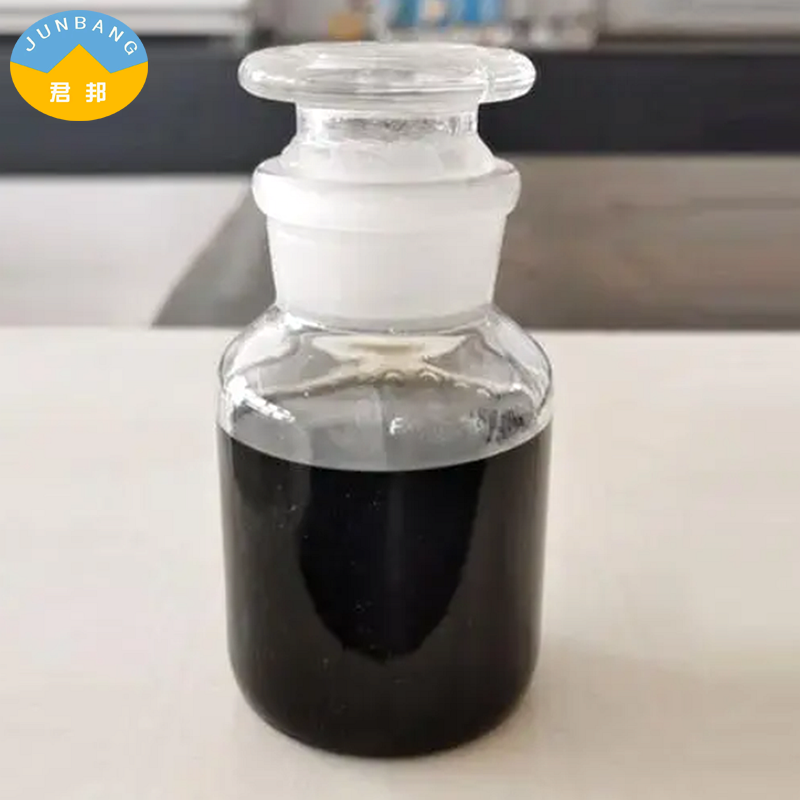
Mining is not a standardized industry with identical inputs. Every ore body features a unique mineralogical composition. A generic, one-size-fits-all chemical approach rarely maximizes metallurgical recovery. Aging mines and complex polymetallic deposits require highly tailored reagent regimes engineered by technical partners.
As extraction operations move deeper into the earth, the mineralogy naturally becomes more complex. It often features finer dissemination and increased clay content. Consider a scenario where an operation encounters a sudden influx of clay-rich ore. A standard reagent will likely result in a sticky, unmanageable froth that blinds the launders and drops coarse particles. Adjusting the molecular weight and viscosity of flotation frothers allows metallurgists to precisely control bubble size, froth stability, and carrying capacity.
Altering the carbon chain length or branching in collectors can drastically improve their collecting power and selectivity for specific copper or lead minerals against iron sulfides. Custom formulations are essential for optimizing complex metallurgical circuits.
Theoretical chemistry must translate seamlessly into practical plant performance. The value of a top-tier supplier extends far beyond their manufacturing plant. They maintain dedicated teams of process engineers to support their clients. Before proposing a chemical transition, a reliable supplier will conduct extensive laboratory bench-scale testing using the mine's specific ore samples. This is followed by locked-cycle tests and carefully monitored pilot plant trials.
Expert metallurgists from the supplier can visit your site regularly to help fine-tune dosages and resolve unexpected metallurgical challenges quickly. They actively optimize the flotation deck. This hands-on, collaborative support directly increases your overall mineral yield.
Even the most advanced chemical formulations are useless if they cannot reach the plant. Transporting tons of hazardous materials to remote, difficult-to-access regions presents massive logistical hurdles. Maintaining a continuous supply is just as critical as the metallurgical performance. A single stockout can force a complete halt to processing operations.
Procurement managers must verify that their chosen partner has the actual manufacturing capacity to meet long-term volume demands. The market is saturated with brokers and middlemen who simply re-label products from third-party factories. Relying on a middleman introduces severe risks. They lack direct control over production schedules, facility redundancies, and quality assurance.
Buyers should conduct physical audits of the supplier's manufacturing facilities or request comprehensive virtual tours. Assessing the scale of their reaction vessels and raw material intake ensures the supplier can handle volume surges without extending lead times. Partnering with a primary manufacturer mitigates significant supply risks and ensures transparent communication.
Global supply chains remain highly vulnerable to geopolitical events, port congestions, and shipping container shortages. A strategic supplier actively mitigates these risks through proactive logistics management. Procurement teams must ask how the supplier handles global shipping crises and delays.
Mines should evaluate whether the supplier maintains local warehousing near major global mining hubs or offers vendor-managed inventory programs. By holding buffer stock close to the mine site, the supplier absorbs the shock of international shipping delays. This guarantees that the plant never faces a shutdown due to a reagent shortage.
Modern mineral processing operates under intense regulatory scrutiny. Strict adherence to environmental regulations is no longer optional. It serves as a fundamental requirement for maintaining a mine's social license to operate and forms a core component of corporate risk management.
Traditional mining chemicals can pose significant environmental hazards. Industry trends show a massive shift driven by tightening global tailings dam regulations. The sector is actively moving away from highly toxic, persistent chemicals toward safer, biodegradable alternatives. Forward-thinking suppliers are heavily investing in green chemistry to adapt their product lines accordingly.
Utilizing reagents that break down safely in tailings facilities reduces the long-term environmental liability of the mining operation. It simplifies water recycling processes within the plant and helps secure vital community support.
A mine's environmental compliance extends directly to its entire supply chain. If a chemical supplier has a history of severe environmental violations, factory accidents, or improper waste disposal, that liability transfers seamlessly to the mine buyer. This results in severe reputational damage and regulatory fines.
Procurement teams must audit potential suppliers for environmental management and occupational health and safety certifications. Buyers should verify that the supplier utilizes approved, safe packaging—such as high-quality intermediate bulk containers or specialized steel drums. They must adhere strictly to international dangerous goods transport protocols to prevent transit spills.
The easiest ores have already been mined. Today, operations face a future of declining ore grades and increasingly complex metallurgy. A supplier that relies solely on decades-old chemical formulas will eventually limit a mine's operational potential. Continuous innovation is the key to processing lower-grade ores profitably.
Evaluating a supplier's commitment to research and development is crucial for future-proofing your processing plant. Buyers should ask potential partners if they are actively developing new, high-efficiency alternatives, or engineering reagents that perform better in highly saline process water. Evaluating a supplier's laboratory capabilities for dithiophosphate collectors reveals whether they possess the state-of-the-art equipment and experienced research chemists necessary to tackle modern metallurgical challenges.
Suppliers with robust research infrastructure often engage in collaborative partnerships with their mining clients. These collaborations allow the mine to test proprietary, next-generation reagents before they hit the broader market. This potentially unlocks significant competitive advantages in recovery rates and concentrate grades.
To systematize the evaluation process, procurement teams and metallurgists should utilize a standardized auditing framework. This actionable checklist ensures that decisions are based on empirical data and comprehensive risk assessment rather than unit price alone. Do not rely on marketing brochures; demand verifiable evidence.
While price will always remain a factor in procurement, maximizing mineral recovery and ensuring uninterrupted plant operations must be the ultimate goals. Unplanned downtime and lost minerals cost exponentially more than the marginal savings gained from buying the cheapest chemicals on the market.
Choosing a holistic, strategic supplier who offers high-purity collectors, customized frothers, and robust on-site technical support yields a much higher return on investment. By prioritizing total cost of ownership, quality consistency, and supply chain resilience, mines can safeguard their profitability in an increasingly challenging industry landscape. We encourage buyers to explore high-performance reagents tailored to their specific ore mineralogy. Visit https://www.junbangchemical.com to select the right product and brand formulations that align with your specific plant conditions, request a sample for bench testing, and experience the operational difference a true strategic partner makes.
Ore bodies change naturally over time. As you mine deeper, the mineralogy alters, requiring precise adjustments to your chemical regime. A supplier with strong technical support can tweak your frothers or collectors to maintain high recovery rates, saving you from costly yield drops. Their expert metallurgists can identify processing inefficiencies directly on the flotation deck that standard operators might miss.
Always request a certificate of analysis for recent batches to check for standard deviation in active ingredients. Ask for small samples to conduct bench-scale flotation tests in your own lab, and thoroughly audit the supplier's quality management certifications. Independent third-party lab verification is also a highly recommended best practice to ensure consistent performance.
Buying directly from a manufacturing supplier is generally much better for mining operations. It ensures superior supply chain transparency, lower long-term costs, and tighter quality control. Direct buyers gain immediate access to the manufacturer's research teams for custom formulations. Manufacturers can guarantee lead times far more reliably than third-party brokers.
Low-cost collectors frequently contain unrefined impurities or have highly inconsistent active ingredient levels. This inconsistency leads to poor selectivity, causing the circuit to float unwanted gangue minerals. The result is higher dosage requirements, increased corrosive wear on downstream processing equipment, and a diluted final concentrate grade. This ultimately jeopardizes the overall profitability of the plant.
Strict global standards mean mining companies are now held responsible for the actions of their entire supply chain. Choosing a supplier that utilizes eco-friendly manufacturing processes and safe, compliant packaging protects your operation from severe regulatory fines and community backlash. Sustainability is no longer a buzzword; it is a core requirement for ensuring long-term operational viability.
Xanthates are strong, bulk collectors ideal for general sulfide flotation, whereas dithiophosphates offer higher selectivity. They are particularly effective in rejecting iron sulfides like pyrite during copper or lead recovery. The choice depends entirely on your specific ore mineralogy and target concentrate grade. Often, a custom blend of both yields the best metallurgical results.
Most high-quality liquid collectors and frothers maintain stability for six to twelve months when stored in cool, dry, and well-ventilated conditions. Prolonged exposure to direct sunlight or extreme heat can accelerate chemical degradation. This leads to reduced active ingredient concentrations and poor plant performance.

