
close
Choose Your Site
Global
Social Media


Views: 0 Author: Site Editor Publish Time: 2026-09-12 Origin: Site


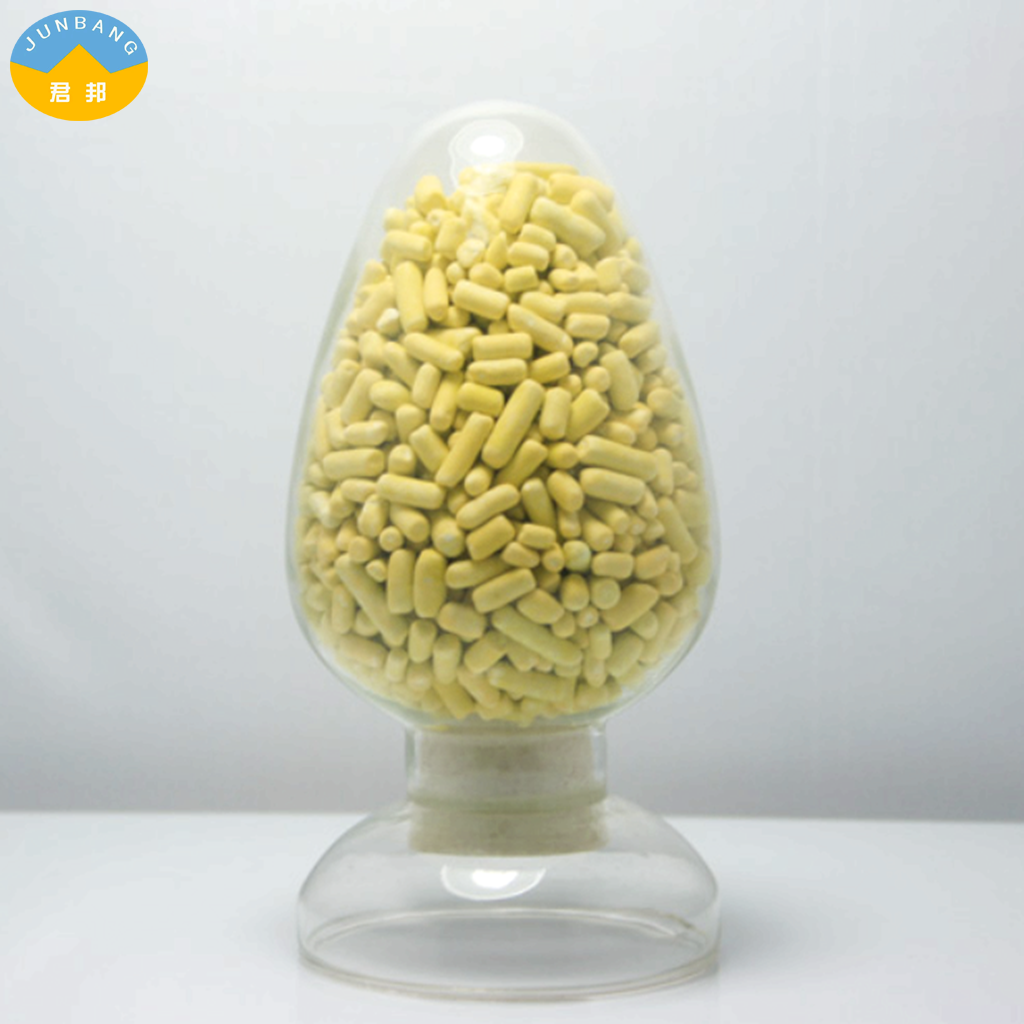
Flotation reagents dictate mineral recovery rates across global mining operations. Even minor inconsistencies in collector chemistry, such as PAX, SIPX, or SIBX, cascade into significant yield losses. These variations quickly disrupt your circuit's pH balance and reduce froth stability. Sourcing xanthates is no longer just about negotiating per-ton pricing. Freight volatility, raw material degradation, and inconsistent active substance percentages make supplier vetting a high-stakes metallurgical decision.
We provide procurement officers and plant metallurgists with an evidence-backed framework for rigorous xanthate supplier evaluation. You must move beyond superficial marketing claims. It is critical to verify chemical efficacy, supply chain resilience, and operational impact comprehensively. This guide equips you with the necessary criteria to benchmark potential partners. You will learn how to secure high-quality reagents that consistently maximize your mineral processing efficiency.
True cost-per-ton must account for active ingredient degradation during shipping and the subsequent impact on recovery rates.
A reliable flotation reagent supplier provides transparent, batch-specific Certificates of Analysis (COAs) alongside independent third-party assays.
Quality control in manufacturing directly correlates with the reagent's collection power and selectivity in distinct ore bodies.
Evaluate suppliers on their ability to offer technical support and custom reagent formulations, not just off-the-shelf bulk commodities.
Mines frequently face a massive gap between cheap xanthate and cost-effective recovery. Procurement teams sometimes focus exclusively on upfront commodity pricing. This narrow approach often ignores the hidden variables impacting your final yield. Active ingredient degradation acts as a silent profit killer. Poor packaging and extended transit times accelerate this chemical decay. Carbon disulfide and alkali break down rapidly under suboptimal storage conditions. This deterioration heavily reduces the collector's effectiveness long before it reaches your plant.
Consider the direct impact on your operational bottom line. A seemingly minor 2% drop in active xanthate purity disrupts mineral recovery heavily. You might notice substantial yield losses in valuable target metals like copper, lead, or zinc. Plant operators typically compensate for weak reagents by increasing dosage rates. This reactive strategy leads to erratic pH levels in the flotation cells. You lose metallurgical efficiency and inflate downstream processing expenses simultaneously.
Common mistakes in procurement occur when buyers ignore supply chain transit times. A highly pure batch leaving a factory may arrive heavily degraded six weeks later. You must evaluate how chemical stability holds up across distinct climate zones. Moisture ingress during sea freight fundamentally alters the reagent's molecular integrity. A lower purchase price never justifies poor metallurgical performance at the concentrator.
Evaluating chemical partners demands strict analytical criteria. You must assess active substance purity with extreme precision. Mines should always demand greater than 90% purity for standard commercial xanthates. Lower purities introduce unnecessary fillers and unreacted raw materials into your flotation circuit. You must verify these purity claims through independent laboratory testing. Do not rely solely on the manufacturer's initial specification sheet.
Moisture and free alkali content represent another critical evaluation metric. High moisture directly accelerates chemical decomposition. It also increases spontaneous combustion risks during prolonged warehouse storage. Acceptable thresholds usually dictate moisture levels below 4%. Free alkali must remain below 0.2%. If a supplier routinely exceeds these limits, they introduce serious safety hazards into your operation.
You need to map the manufacturer’s internal testing protocols carefully. Ask how they screen raw materials before synthesizing the final product. Strong quality control ensures consistent collector performance over time. A reliable manufacturer tracks everything from synthesis temperatures to final drying parameters.
Batch-to-batch consistency determines your plant's operational stability. Inconsistent batches force operators to constantly tweak plant pH and dosage rates. This volatility disrupts recovery power and complicates daily shift routines. A rigorous quality framework stabilizes these variables. It provides predictable metallurgical outcomes, regardless of the season or production volume.
Standard Supplier Evaluation Metrics Chart
Metric Category | Acceptable Threshold | Operational Impact if Failed |
|---|---|---|
Active Purity | > 90% | Reduced mineral recovery, increased dosage requirement |
Moisture Content | < 4% | Accelerated chemical degradation, caking in storage |
Free Alkali | < 0.2% | Altered circuit pH, higher spontaneous combustion risk |
Solubility | 100% in water | Blocked dosing lines, uneven reagent distribution |
A superior chemical formula means nothing if it cannot reach your site safely. Scalability plays a massive role in long-term vendor selection. You must assess the supplier’s production capacity against your specific projections. Can they meet your life-of-mine (LOM) consumption rates consistently? Small-scale producers often struggle during sudden spikes in global demand. You need a partner with elastic production capabilities.
Packaging standards require intense scrutiny during your audit. Xanthates classify as highly hazardous materials. You must evaluate whether vendors use certified UN-approved packaging exclusively. Standard practices demand heavy-gauge iron drums or sturdy wooden boxes. These containers must feature specific moisture-resistant inner polyethylene linings. These robust barriers mitigate hazardous material risks. They prevent moisture ingress during turbulent sea freight and rough inland transport.
Supply chain resilience keeps your operation running during global crises. Ask how the supplier handles unexpected raw material shortages. Carbon disulfide supply limits frequently disrupt chemical manufacturing. Geopolitical freight bottlenecks also delay critical international shipments. Your chosen partner should maintain strategic raw material stockpiles. They must possess diversified logistics routes to bypass sudden port closures.
Procurement officers should never evaluate chemical suppliers in a vacuum. You must involve your metallurgy team early in the vetting process. They need to assess the supplier’s technical bench depth accurately. This collaborative approach shifts the relationship from a simple vendor to a strategic partner. A top-tier manufacturer understands complex mineralogy profoundly, rather than just basic synthesis.
Evaluate the supplier's willingness to participate in on-site metallurgical testing. Ask if they deploy engineers to assist with dose optimization. Real-world plant application frequently differs from ideal laboratory conditions. Water chemistry, recirculation loads, and seasonal temperature changes alter reagent performance.
Standard collectors sometimes fail to yield optimal results. Developing a custom reagent blend often unlocks massive financial value. Complex, refractory, or polymetallic ore bodies frequently require tailored chemical solutions. A versatile manufacturer adjusts carbon chain lengths to maximize selectivity. They engineer specific blends that reject gangue minerals more efficiently.
Consider these best practices when seeking custom formulations:
Share historical mineralogy reports with the supplier's R&D team.
Establish a clear baseline using your current standard reagent.
Conduct split-circuit testing to isolate the custom blend's variables.
Monitor long-term froth characteristics, not just immediate recovery jumps.
Post-sale technical support separates top-tier suppliers from average producers. Mines inevitably face sudden recovery drops as ore bodies evolve. A dedicated technical team helps you troubleshoot these complex issues rapidly. They assist in adjusting collector combinations remotely or on-site. They also help optimize the intricate dosage-to-pH relationship, stabilizing your flotation circuit.
Regulatory adherence remains strictly non-negotiable in modern mining environments. You must verify REACH compliance and global ISO certifications explicitly. Local environmental handling standards also dictate strict rules for chemical storage. An uncertified xanthate manufacturer exposes your mine to severe legal and operational liabilities.
EHS (Environment, Health, and Safety) alignment protects your frontline workforce. The supplier must provide highly accurate Safety Data Sheets (SDS). They should outline clear handling protocols for these highly flammable and toxic substances. Transparency regarding carbon disulfide gas emissions prevents fatal workplace accidents. You must ensure their guidelines integrate seamlessly into your site's existing safety protocols.
Auditability proves a supplier's genuine commitment to safety. Assess their openness to third-party facility audits. Request transparent supply chain mapping for their raw materials. Look closely at their internal wastewater treatment facilities. If a vendor resists independent safety inspections, consider that a major red flag. True partners welcome deep scrutiny because they maintain uncompromising operational standards.
Establishing a standardized selection process eliminates costly procurement guesswork. Use this proven framework to evaluate and shortlist potential partners systematically. It aligns your metallurgical requirements with sound purchasing practices.
Step 1: Desktop audit and documentation review. Request blind COAs, comprehensive SDS, and verifiable production capacity evidence. Screen out vendors lacking proper safety documentation immediately.
Step 2: Sample testing protocol. Establish a controlled laboratory float test. Use the mine’s specific ore to measure collection power and selectivity against your current historical baseline.
Step 3: Trial execution. Structure a low-risk, short-term plant trial. Isolate one specific flotation circuit to minimize overall disruption. Define clear success criteria before introducing the new chemical.
Step 4: Contract structuring. Tie long-term supply agreements directly to performance SLAs. Mandate guaranteed minimum purities and strict lead-time guarantees to protect your ongoing operations.
Plant Trial Success Criteria Table
Evaluation Area | Measurement Method | Success Indicator |
|---|---|---|
Metallurgical Recovery | Daily shift assays (tailings vs concentrate) | ≥ 1.5% improvement over baseline |
Concentrate Grade | XRF analysis of final product | Maintained or increased target metal percentage |
Reagent Consumption | Flow meter tracking (grams per ton) | Lower dosage required for equivalent recovery |
Froth Stability | Visual inspection / Camera monitoring | Consistent bubble structure, no excessive carryover |
Executing these steps requires patience. Rushing a plant trial frequently leads to skewed data. Ensure your operators understand the new reagent's specific dosing requirements before the trial begins. Poor dosing calibration ruins excellent chemical formulations.
Evaluating a xanthate supplier represents a critical cross-functional task. It requires tight alignment between your procurement, metallurgy, and EHS departments. You cannot treat complex flotation chemicals as simple bulk commodities. The right partner maximizes mineral recovery while actively minimizing workplace safety risks. Their manufacturing consistency directly impacts your daily operational stability.
Take immediate action to improve your procurement strategy today. Request a sample batch from a vetted supplier for internal float testing. This begins the comparative process effectively. Alternatively, download a standardized supplier audit checklist to align your internal teams. Start optimizing your mineral processing efficiency by choosing partners who prioritize pure chemistry and resilient logistics.
A: Xanthates typically maintain a shelf life of 6 to 12 months under strict storage conditions. They require cool, dry, and well-ventilated environments. A reliable supplier guarantees this baseline by using UN-approved packaging. They utilize heavy iron drums or sealed wooden boxes with moisture-resistant inner linings. Proper packaging prevents moisture ingress. This delays the natural degradation of the active chemical components during long transit times.
A: You must demand independent, third-party laboratory assays before committing to bulk pilot trials. Never rely exclusively on the manufacturer's internal Certificates of Analysis (COAs). Conduct blind testing of sample batches using your own analytical lab or a trusted external partner. This verifies the active substance percentage accurately. It also ensures moisture and free alkali levels meet your strict safety thresholds.
A: Yes, advanced suppliers offer strong technical capabilities to formulate tailored solutions. Depending on your specific mineralogy, they can adjust carbon chain lengths. This modifies the chemical's collection strength and target selectivity. Moving from a standard PAX to a customized blended collector often resolves severe recovery issues. This approach proves highly effective in complex, refractory, or polymetallic ore bodies.

