
close
Choose Your Site
Global
Social Media


Views: 0 Author: Site Editor Publish Time: 2026-10-11 Origin: Site


Plant managers and metallurgists face a daily battle on the production floor. You need to maximize recovery rates, but you cannot afford to sacrifice concentrate grades. When processing base-metal sulfide ores, your choice of flotation collector often becomes the deciding factor for the entire circuit. Among the various reagents available on the market, sodium butyl xanthate stands out as a highly effective and versatile collector. It delivers aggressive collecting power alongside moderate selectivity. Today, it remains an absolute staple in the froth flotation of copper, lead, zinc, and nickel ores.
Currently, the mining sector is grappling with steadily declining ore grades and increasingly complex mineralogy. We are seeing a distinct shift away from generic reagent dosing. Modern processing facilities now demand highly tailored chemical programs. Operations must extract value from finely disseminated or heavily oxidized ores that would have been considered waste a decade ago. This reality makes robust collectors with strong hydrophobic pull essential for maintaining profitable throughput.
This technical breakdown explores the specific field applications of this four-carbon collector. We will compare it to other common reagents and outline the concrete selection criteria you must evaluate to optimize your flotation scheme and protect your plant's bottom line.
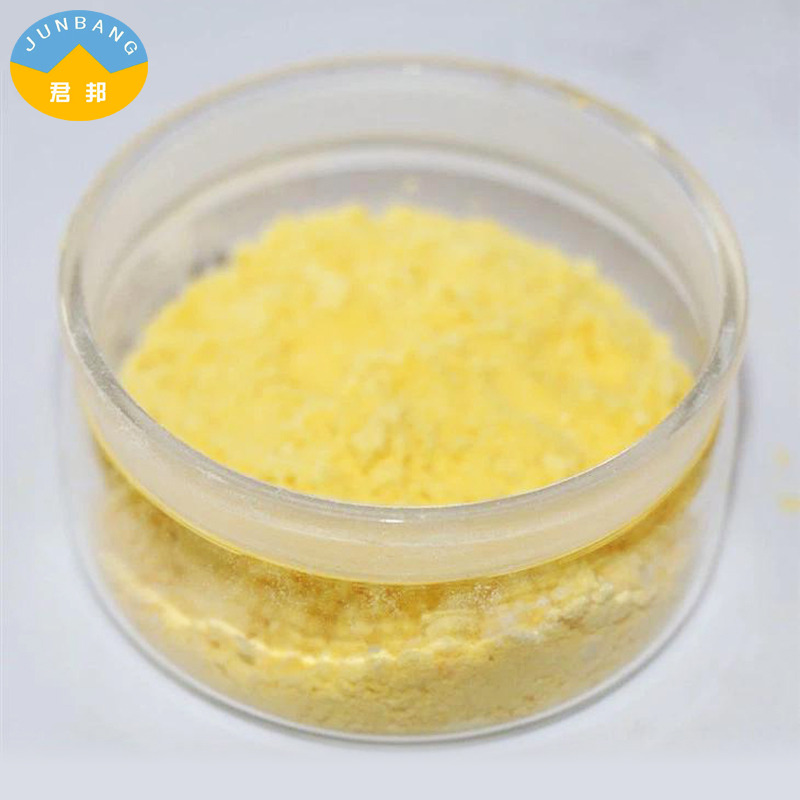
Sodium butyl xanthate is an organosulfur compound commonly supplied as a yellowish powder or extruded pellet. Its metallurgical performance is fundamentally dictated by its four-carbon straight alkyl chain. High-quality industrial variants typically feature a xanthate purity of 90 percent or higher. Manufacturers strictly control free alkali to under 0.2 percent and keep moisture and volatile matter below 4.0 percent. These precise specifications ensure predictable dosing and prevent unwanted side reactions inside the flotation cell.
When operators introduce this reagent into a flotation pulp, the dithiocarbonate head anchors onto the metal ions of sulfide minerals via chemisorption. The hydrophobic butyl tail then rapidly coats the mineral surface. The particle sheds its affinity for water and attaches firmly to rising air bubbles. This physical transformation drives the entire froth flotation process. It allows valuable minerals to report to the concentrate launder while silica and other gangue materials remain submerged in the tailings.
In the processing of copper and lead sulfides like chalcopyrite and galena, this specific collector serves as the primary workhorse. Its rapid kinetic response ensures the efficient capture of coarse particles right in the rougher cells. Furthermore, plant metallurgists frequently deploy it in scavenger circuits. The aggressive nature of a four-carbon chain is critical here. It recovers tarnished or finely disseminated particles that escaped earlier stages, significantly minimizing metal losses to the final tailings dam.
Transitioning to zinc and nickel recovery requires a shift in operational tactics. Sphalerite typically needs copper sulfate activation before it will respond to any xanthate collector. Once activated, the reagent provides the heavy lifting required to elevate the zinc into the froth phase. For nickel-rich pentlandite ores, strong collecting power is simply non-negotiable. These complex matrices often display sluggish flotation kinetics that weaker chemicals consistently fail to overcome.
Selecting the correct carbon chain length is a strategic engineering decision. You are constantly balancing recovery targets against final concentrate grades. The table below outlines the primary differences between the three most common industrial variants.
| Collector Type | Carbon Chain | Collecting Power | Selectivity | Ideal Field Application |
|---|---|---|---|---|
| Sodium Ethyl Xanthate | 2-Carbon | Weak | High | Exceptionally clean ores, strict pyrite depression. |
| Sodium Butyl Xanthate | 4-Carbon (Straight) | Strong | Moderate | Polymetallic ores, oxidized feeds, scavenger circuits. |
| Sodium Isobutyl Xanthate | 4-Carbon (Branched) | Strong | Moderate | Direct substitute based on regional supply chains. |
Sodium ethyl xanthate features a short two-carbon chain. It yields high selectivity but much lower collecting strength. This makes it the preferred choice for exceptionally clean ores where keeping pyrite out of the concentrate is your primary goal. Conversely, if your feed grade fluctuates or shows signs of oxidation, switching to a four-carbon alternative is often mandatory to maintain your daily throughput.
In parallel, sodium isobutyl xanthate serves as a branched-chain isomer. While its overall collecting power mirrors its straight-chain counterpart, the molecular branching can slightly alter adsorption kinetics in specific slurry environments. Therefore, choosing between the two often comes down to regional market availability and localized bench-scale testing rather than stark metallurgical differences.
The success of your flotation circuit is deeply rooted in matching your reagent to the specific mineralogical signature of the ore. Rather than guessing, base your selection on these concrete operational parameters:
Achieving peak performance requires more than just selecting the right chemical. It demands mastery over dosing and handling. Implementing systematic bench-scale testing is an absolute requirement before scaling any changes to the plant level. Operators often face the temptation to overdose in an effort to boost recovery. This strategy almost always backfires. Overdosing indiscriminately floats gangue minerals, which ultimately forces higher smelting penalties. Instead, savvy metallurgists increasingly utilize mixed collector systems. By layering a strong xanthate with specialized dithiophosphates, you can enhance both recovery kinetics and the final concentrate grade.
Proper storage forms the final and frequently overlooked link in this chain. As an organic salt, the compound is highly vulnerable to moisture and heat. Poor storage leads to rapid degradation. Facilities must prioritize strict inventory protocols. By procuring high-purity reagents and partnering with an experienced chemical solutions provider, plant operators can drastically reduce variability and ensure the long-term stability of their flotation circuits.
Dosage rates vary heavily based on head grade and mineralogy. However, standard industrial applications typically range from 10 to 100 grams per metric ton of ore. Scavenger circuits processing tarnished ores may require dosing at the higher end of this spectrum to ensure adequate recovery.
Safety relies on keeping the chemical cool, dry, and well-ventilated. Always store the pellets or powder in tightly sealed drums away from direct sunlight or ignition sources. Because decomposition produces toxic and flammable carbon disulfide gas, proper PPE and gas monitoring systems are mandatory in all mixing and storage areas.
Both function very similarly as strong collectors in sulfide flotation. The primary difference is the alkali metal cation used during manufacturing. The sodium variant is often more cost-effective and widely used across the industry. The potassium variant may offer slightly higher stability in certain specific climates or unique pulp conditions.
Yes, though plants rarely mix them directly since they serve very similar purposes. A facility might use the straight-chain variant in a rougher circuit for a strong initial pull and transition to a different reagent in the cleaner circuit. The isobutyl isomer is frequently used as a direct substitute depending on regional pricing and availability.
When stored correctly in original, tightly sealed packaging in a cool, dry, and dark environment, these chemicals typically maintain a shelf life of 6 to 12 months. Exposure to moisture and heat will rapidly degrade the compound, reducing its metallurgical effectiveness and releasing toxic gases.
These collectors remain most stable and effective in alkaline conditions, typically between a pH of 8 and 11. In highly acidic environments, the chemical decomposes rapidly into carbon disulfide and alcohol. This renders the reagent useless for flotation and creates serious safety hazards on the plant floor.
A plant will select a four-carbon collector when processing lower-grade ores, tarnished minerals, or complex polymetallic feeds that require a stronger hydrophobic pull. Two-carbon alternatives are highly selective but much weaker. They will likely leave valuable minerals behind in the tailings if the ore proves difficult to float.
Every ore body presents unique metallurgical challenges. Relying on inconsistent or low-purity reagents will inevitably impact your bottom line through lost recovery and higher consumption rates. Whether you need the aggressive pull of sodium butyl xanthate for a complex polymetallic ore or a highly selective reagent for a clean feed, securing the right chemical profile is paramount. Evaluate your current circuit performance, conduct rigorous bench tests, and partner with a trusted manufacturer to source the exact flotation solutions your plant requires to maximize profitability. Visit Junbang Chemical to explore our full range of high-efficiency collectors and tailor a reagent regime that fits your specific operational needs.

