
close
Choose Your Site
Global
Social Media


Views: 0 Author: Site Editor Publish Time: 2026-11-09 Origin: Site


Global demand for battery metals like nickel and cobalt is surging. The rapid expansion of the electric vehicle market and the broader green energy transition drive this unprecedented growth. However, the mining sector faces a harsh reality. Easily accessible, high-grade sulfide deposits are disappearing rapidly. Plants must now process increasingly complex, low-grade polymetallic ores.
Market analysts project a structural deficit in battery-grade nickel over the next decade. At the same time, smelters are tightening their impurity thresholds. Concentrators can no longer rely on brute-force bulk flotation. The industry is shifting rapidly toward precision metallurgy. This structural shift drives the urgent need for advanced, highly targeted flotation reagents.
Separating valuable minerals like pentlandite and cobaltite presents a formidable metallurgical challenge. These target minerals mix intimately with barren gangue and problematic iron sulfides. Pyrrhotite and pyrite heavily complicate the separation process. To overcome these exact froth flotation hurdles, frontline metallurgists increasingly rely on specialized collector reagents.
This comprehensive guide explores the core selectivity factors of these powerful reagents. We will compare them with alternative collectors and provide actionable insights. You can use these scenario-based strategies to optimize your nickel-cobalt flotation circuits and meet today's stringent concentrate grade requirements.
Belonging to the advanced dithiocarbamate family, sodium diethyl dithiocarbamate serves as a highly specialized organic collector. Its unique molecular architecture tackles the intricacies of modern mineral processing. It does not rely on weak physical adsorption. Instead, its mechanism roots itself in strong chemical bonding principles.
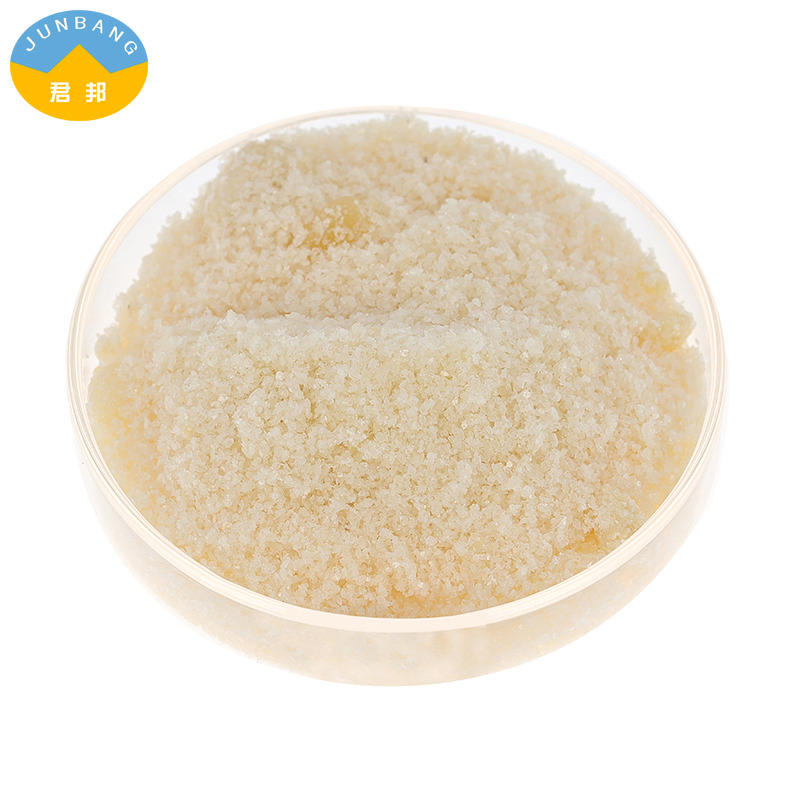
From an engineering standpoint, premium industrial-grade variants typically feature a purity exceeding 90 percent. They appear as white to grey-white free-flowing powders or pellets and dissolve readily in water. The sulfur atoms within the molecule act as a chelating agent. They form robust, insoluble bonds directly with transition metal ions on the mineral surface. Once attached, the diethyl carbon groups take over. These outward-facing hydrocarbon chains render the targeted particle highly hydrophobic.
Consequently, these modified particles collide with rising air bubbles within the flotation cell. The bubbles transport valuable minerals to the surface froth zone. Without this critical chemical bridge, fine nickel and cobalt particles simply sink to the tailings discharge. The result is catastrophic recovery losses.
Valuable base metals rarely exist in isolation. Pentlandite and cobaltite share an intimate, often microscopic association with iron sulfide minerals. Furthermore, magnesium-rich gangue minerals like talc and serpentine frequently plague these ore bodies. The flotation circuit quickly turns into a chaotic chemical battleground.
When operators deploy traditional reagents like standard xanthates, they often watch helplessly as the froth overloads with barren iron. Standard collectors lack necessary chemical selectivity. They allow iron sulfides to outcompete valuable minerals for surface adsorption. This non-selective pulling leads to a heavily contaminated final concentrate.
Smelting and hydrometallurgical operations impose strict financial penalties for excessive iron and magnesium impurities. By utilizing highly selective advanced collectors, metallurgists target specific metal ions with surgical precision. This targeted approach effectively suppresses unwanted gangue. It ensures the final concentrate meets the rigorous grade specifications required for downstream battery-grade refining.
Achieving peak metallurgical performance requires more than dumping chemicals into a conditioning tank. It demands balancing a complex web of physicochemical variables. Here are the primary operational factors governing collector selectivity on the plant floor.
Collector effectiveness ties intrinsically to slurry pH. Most nickel-cobalt flotation circuits perform optimally in a mildly alkaline environment. The ideal pH window typically sits between 8.5 and 10.0. Pulp pH alters the surface charge of suspended minerals and impacts the chemical stability of the collector itself.
If the pulp becomes too acidic, the reagent decomposes prematurely. Conversely, maintaining strict alkalinity helps depress the natural floatability of iron sulfides like pyrite. Automated addition of lime or soda ash prevents these unwanted minerals from reporting to the concentrate.
Surface oxidation dictates collector-mineral interaction. A controlled, mild oxidation environment is absolutely necessary for successful attachment. It interacts directly with the electrochemical potential of the pulp.
Operators must tread carefully here. Over-oxidation causes target minerals to passivate, effectively blinding them to the collector. Galvanic interactions between grinding media and sulfide minerals severely complicate the process. Plant metallurgists utilize specialized ORP probes to monitor potential values. They adjust aeration rates constantly to prevent over-oxidation of valuable sulfides.
Adopting a "less is more" strategy is paramount for dithiocarbamates. Over-dosing remains a common pitfall. It leads to a severe loss of metallurgical selectivity. Excess reagent inevitably floats unwanted iron sulfides and silicates, ruining the concentrate grade.
Conditioning time must also be strictly managed. Adequate time allows the collector to selectively adsorb onto target minerals before introducing air. Operators often employ starvation dosing. They slowly ramp up chemical addition from a baseline minimum until meeting the target recovery. This prevents accidental activation of problematic gangue.
In a modern concentrator, this collector rarely works alone. It pairs with specialized modifiers to achieve high-grade results. For instance, carboxymethyl cellulose or guar gum routinely depress naturally floatable talc. Meanwhile, carefully calibrated amounts of sulfites keep iron sulfides in the tailings. Finding the exact synergistic ratio requires rigorous laboratory batch testing followed by careful plant-scale validation.
Understanding structural nuances between reagent variants is vital for optimizing plant economics. Hydrocarbon chain lengths dictate behavior in the flotation cell.
The diethyl variant features a distinct two-carbon chain structure. In contrast, sodium dimethyl dithiocarbamate possesses a shorter one-carbon chain. The longer carbon chain of the diethyl variety imparts significantly stronger hydrophobicity. It delivers enhanced collecting power, making it exceptionally effective for tarnished, coarse, or composite mineral particles.
The dimethyl variant might offer slightly higher selectivity against iron. However, this advantage usually limits itself to very specific, clean, and easily floatable ores. Furthermore, the dimethyl version typically requires a much higher total dosage to match recovery rates. Plant managers must carefully weigh these performance metrics based on their specific ore mineralogy.
| Performance Metric | Sodium Diethyl Dithiocarbamate | Sodium Dimethyl Dithiocarbamate |
|---|---|---|
| Carbon Chain Length | Longer - Two carbons | Shorter - One carbon |
| Hydrophobicity | Very Strong | Moderate |
| Best Ore Application | Complex, tarnished, low-grade ores | Clean, easily floatable ores |
| Typical Dosage Requirement | Lower | Higher |
| Iron Rejection Capability | Good | Excellent |
Modern high-efficiency flotation plants have moved away from single bulk collectors. Integrating a secondary auxiliary reagent drastically improves metallurgical kinetics and provides operational flexibility.
By utilizing isopropyl ethyl thionocarbamate alongside the primary dithiocarbamate, operators create a powerful dual-action system. The thionocarbamate is renowned for extreme selectivity against pyrrhotite and pyrite gangue. When combined, the circuit benefits from an ideal synergistic mechanism known as co-adsorption.
The reagents pack more densely onto the mineral surface than a single collector could achieve alone. The thionocarbamate component targets clean, liberated mineral surfaces to maintain ultra-high grades. Concurrently, the robust dithiocarbamate tackles tarnished or composite particles to drive overall recovery. This synergy broadens the effective particle size recovery range. It successfully captures both coarse aggregates and elusive ultra-fine nickel-cobalt particles.
Even with premium reagents, plant operators face dynamic challenges when optimizing nickel-cobalt flotation circuits. Here are practical strategies for diagnosing and resolving common issues on the plant floor.
Standing on the walkway observing a dark, heavy froth alongside low lab grades usually indicates excessive iron recovery. This is a classic symptom of collector over-dosage. Begin by adjusting the main collector dosage downward slightly. If the issue persists, increase the addition of iron-specific depressants. Additionally, increasing froth wash water helps reduce mechanical entrainment of ultra-fine gangue particles.
Fine particles require highly specific hydrodynamic conditions to float properly. If fine nickel reports to the tailings, examine your cell mechanics. Optimizing agitator speed improves bubble-particle collision rates. Adjusting air flow to create smaller, densely packed bubbles also helps immensely. From a chemical standpoint, tweaking the ratio of your mixed collector system assists in capturing elusive slimes without over-pulling mass.
Excessive chemical usage destroys overall plant profitability. If you constantly increase dosage to maintain recovery, check process water chemistry immediately. Hard water containing high concentrations of calcium or magnesium ions interferes with reagent stability. Ensure the chemical enters through staged addition across rougher and scavenger circuits. Dumping it entirely into the conditioning tank ruins chemical efficiency.
Proper management of flotation reagents off the plant floor is critical. Maintaining strict quality and safety standards ensures consistent metallurgical performance.
Sourcing high-purity chemicals from reputable manufacturers is non-negotiable. Substandard reagents often contain unreacted precursors or harmful manufacturing byproducts. These impurities inadvertently activate gangue minerals and cause uncontrollable frothing issues. Always demand comprehensive certificates of analysis before committing to bulk purchases.
Correct storage prevents premature degradation of your chemical inventory. Store dithiocarbamates in a cool, dry, and well-ventilated warehouse. Keep containers strictly away from direct sunlight, strong heat sources, and acidic vapors. These elements trigger dangerous decomposition reactions. Implement a strict first-in, first-out inventory management system. This ensures chemicals are used at peak efficacy.
Handle these industrial mining chemicals with utmost respect for health and safety. Plant operators and unloading personnel must wear appropriate personal protective equipment. Chemical-resistant gloves and eye protection prevent severe irritation. Adequate ventilation around mixing and dosing stations is mandatory. Emergency eyewash stations must remain readily accessible to all staff.
Advanced collector reagents form the cornerstone of modern, high-grade nickel and cobalt processing. Their ability to form stable, hydrophobic bonds with target transition metals allows for efficient, profitable separation from increasingly complex ore bodies.
Strictly managing operational variables elevates both grade and recovery. Success in the flotation circuit ultimately depends on a data-driven, proactive approach to reagent optimization. Balancing pH, electrochemical potential, and starvation dosing unlocks the true potential of your ore.
Are you struggling with high iron penalties or poor nickel recovery? We strongly encourage plant management and metallurgical teams to audit their current collector regimes. Visit Junbang Chemical to explore our high-performance flotation reagents. Our technical experts can help you formulate and test the perfect custom collector blend for your specific ore body. Partner with us to maximize your mine's profitability in today's demanding battery metals market.
It typically performs best in a mildly alkaline environment. The ideal pH range sits comfortably between 8.5 and 10.0. Alkaline conditions help depress the natural floatability of iron sulfides. However, bench-scale testing on your unique ore should determine the exact setpoint. Specific depressants and gangue minerals will shift the optimal window.
In many complex polymetallic ore bodies, yes. This is especially true when aggressive rejection of iron sulfides is the primary operational goal. However, from an economic standpoint, it is often more cost-effective to use it as a secondary promoter collector. Combining it with a lower-cost bulk xanthate usually yields better financial returns than a total replacement.
The primary difference lies in the molecular hydrocarbon chain length. The diethyl version has a two-carbon chain. This provides significantly stronger hydrophobicity and better performance on tarnished or difficult-to-float composite ores. The dimethyl version has a single-carbon chain. It offers slightly better selectivity on very clean ores but generally requires a much higher dosage to achieve comparable recovery.
It serves as a highly selective auxiliary collector that creates a synergistic effect when mixed with dithiocarbamates. The thionocarbamate specifically targets clean nickel and cobalt surfaces while aggressively rejecting pyrite and pyrrhotite. This dual-reagent system broadens the floatable particle size range. It recovers both coarse aggregates and ultra-fine particles that a single collector might miss.
Dosage rates vary heavily based on head grade and ore mineralogy. However, typical plant additions range from 10 to 50 grams per ton of ore. Operators should always utilize starvation dosing techniques during commissioning to find the absolute minimum required dosage, preventing unwanted iron activation.
These collectors perform exceptionally well at standard ambient plant temperatures. However, extreme cold water conditions can slow down adsorption kinetics. In near-freezing process water, operators may need to slightly increase conditioning time to ensure the collector fully attaches to the target minerals before aeration begins.
Like all industrial mining chemicals, it requires strict handling protocols and proper wastewater treatment. It is not benign if released directly into the environment. However, it generally breaks down and degrades over time within a properly managed tailings storage facility. Operations must ensure that any spills are immediately contained and that discharge water meets all local environmental regulatory standards before release.

