
close
Choose Your Site
Global
Social Media


Views: 0 Author: Site Editor Publish Time: 2026-10-17 Origin: Site


Are you losing concentrate grade to unwanted gangue? Poor collector choice often causes marginal mineral recovery. This turns a profitable ore body into an operational bottleneck. Sulfide ore flotation requires highly selective chemical collectors. Every bubble must capture the value you seek while leaving the waste behind. In this post, you will learn how sodium ethyl xanthate optimizes metallurgical performance. We will explore why it remains the gold standard for cleaner circuits.
The global mining sector faces a harsh reality today. Average head grades are steadily declining across major commodities. Processing plants now handle increasingly complex, finely disseminated polymetallic deposits. Bulk flotation strategies that worked a decade ago no longer yield smelter-grade concentrates. This industry-wide shift demands a transition from brute-force recovery to surgical precision.
Metallurgists are actively moving away from broad-spectrum reagents. Instead, they prioritize highly selective collectors in cleaner stages to separate lead from zinc or copper from iron. Maintaining concentrate purity is now the primary driver of plant profitability. Adapting to these heterogeneous feed stocks requires a reagent suite that prioritizes grade without sacrificing liberated valuable minerals.
To comprehend why this reagent is the premier choice for selective flotation, look at its molecular structure. Xanthates are alkali metal salts of monoalkyl esters of dithiocarbonic acid. The chemical formula features a polar dithiocarbonate head and a non-polar hydrocarbon tail. The polar head acts as an anchor. It facilitates chemical adsorption onto sulfide mineral surfaces by reacting with heavy metal ions. This reaction forms a stable hydrophobic layer.
The true secret to its performance lies in the hydrocarbon tail. Specifically, the ethyl group dictates its behavior. In flotation chemistry, carbon chain length is inversely proportional to selectivity. It is directly proportional to collecting power. The ethyl group has the shortest hydrocarbon chain among commercially available xanthates. Therefore, it provides minimal collecting force.
This might seem counterintuitive for recovery. Yet, it is exactly what makes the chemical indispensable. It refuses to forcefully float every particle it encounters. Instead, it attaches only to minerals with highly reactive surfaces like pure galena or chalcopyrite. This precision allows operators to ignore less reactive gangue minerals such as pyrite or silica. The result is a significantly cleaner final concentrate.
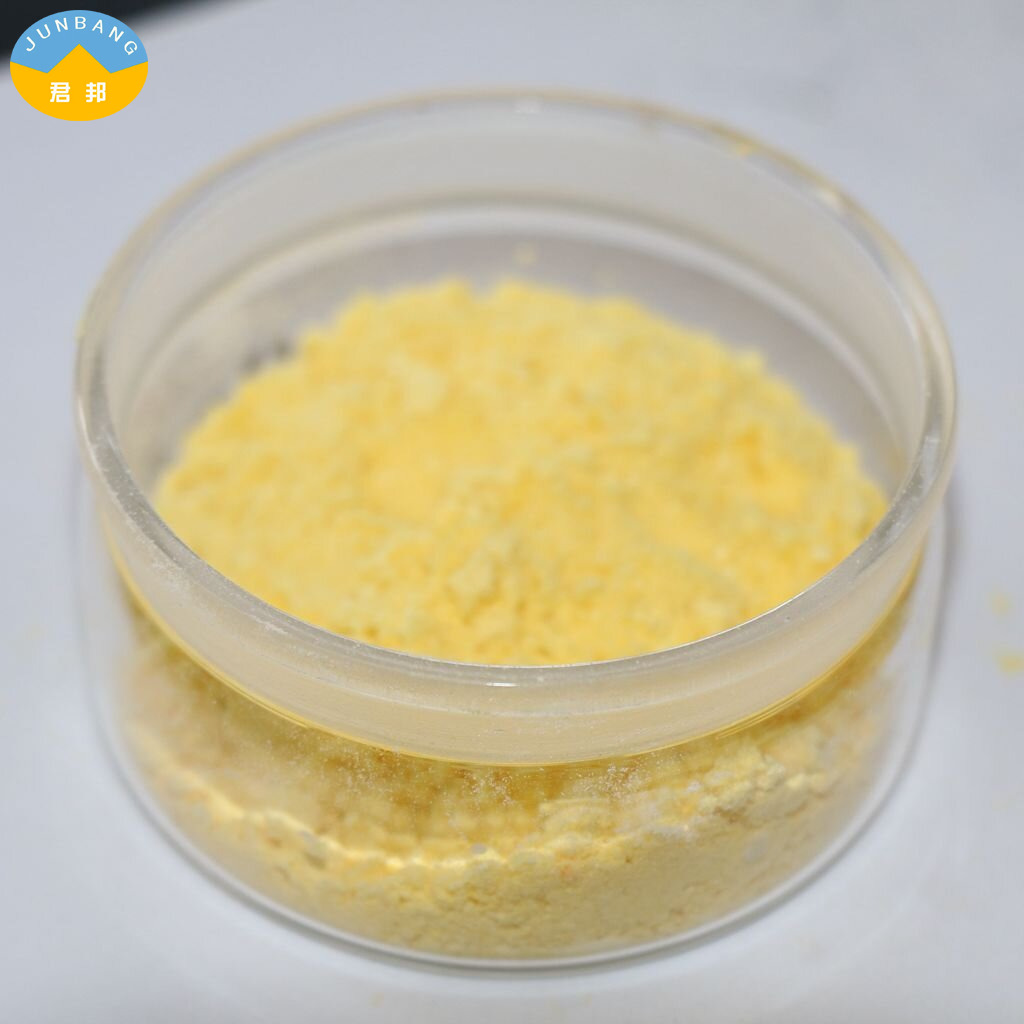
Metallurgists constantly navigate the delicate tension between recovery and grade. While a two-carbon chain is paramount for selectivity, the industry leans on higher xanthates when raw power becomes the priority. Matching the carbon chain to the specific circuit stage is critical for plant optimization.
For instance, sodium isopropyl xanthate features a three-carbon chain. It offers a moderate balance between power and selectivity. Plant engineers often deploy it as the primary workhorse in rougher circuits. It provides enough pull to maximize initial recovery without overwhelming the froth with gangue.
Conversely, sodium isobutyl xanthate acts as the heavy lifter. Possessing a four-carbon chain, it is frequently used in scavenger circuits. It tackles tarnished or heavily oxidized ores where mineral surfaces are sluggish. Transitioning back to a shorter chain in the cleaner stages prevents the activation of unwanted materials.
| Collector Type | Carbon Chain | Power vs. Selectivity | Ideal Circuit Stage |
|---|---|---|---|
| Sodium Ethyl Xanthate | 2 Carbon | Weakest Power / Highest Selectivity | Cleaner circuits |
| Sodium Isopropyl Xanthate | 3 Carbon | Moderate Power / Moderate Selectivity | Rougher circuits |
| Sodium Isobutyl Xanthate | 4 Carbon | Strongest Power / Lowest Selectivity | Scavenger circuits |
The cleaner circuit serves as the final barrier between a bulk rougher concentrate and a commercially viable product. In this high-stakes environment, the objective is to purge unwanted gangue mechanically dragged along in the initial stages. Employing starvation dosing with a highly selective collector provides just enough reagent to keep high-value, liberated particles hydrophobic. Partially locked minerals and gangue naturally drop into the cleaner tailings.
Beyond simple dosing, this approach excels at mitigating entrainment. Entrainment is the physical trapping of fine gangue in the water lamellae between air bubbles. The ethyl-based collector lacks the excessive frothing power of longer-chain variants. Consequently, it creates a brittle, drier froth. This specific froth structure promotes drainage. Trapped waste particles easily fall back into the pulp. Paired with precise pH modifiers, the grade is pushed to its absolute potential.
Consistency is the lifeblood of a smooth-running flotation plant. Fluctuations in reagent quality often stem from unreacted raw materials or degradation byproducts. These impurities lead to unpredictable froth behavior and erratic recovery rates. When procurement teams source materials, they must scrutinize the technical data sheets rather than just the price tag.
A premium-grade product must meet strict parameters. Based on industry-leading standards, high-quality sodium ethyl xanthate typically exceeds 90 percent purity. Furthermore, free alkali is controlled under 0.2 percent, and moisture levels are strictly kept below 4 percent. Advanced analytical validation ensures every batch performs as expected. Reliable suppliers prioritize stable, vacuum-sealed pelletized forms. This packaging protects against moisture-driven decomposition during transit. Partnering with providers that offer comprehensive solutions ensures operational stability. This keeps smelter penalties at bay and profitability high.
Handling chemical reagents requires a strict culture of safety. Xanthates are highly sensitive to environmental triggers. Storage must be managed with extreme care. Exposure to high heat, moisture, or slightly acidic conditions initiates the release of carbon disulfide. This is a toxic and highly flammable gas. Keeping products in a climate-controlled, well-ventilated warehouse is a fundamental safety requirement.
On the plant floor, operators should prepare a 10 percent to 20 percent reagent solution in dedicated, ventilated zones. Always utilize neutral or slightly alkaline water for dilution. Acidic water acts as an immediate catalyst for decomposition. Personnel must wear appropriate personal protective equipment, including respiratory protection, to guard against dust inhalation. Standardizing these protocols protects your workforce and the integrity of your reagent supply.
Even the best-designed circuits encounter hurdles. If your cleaner grade suffers despite high rougher recovery, your reagent suite might be the culprit. A common symptom of an aggressive collector in the cleaners is excessive acid-insoluble content. This suggests the reagent is grabbing everything in its path.
The remedy often lies in a tactical shift. Simply turning down the dosage might cause valuable particles to drop out prematurely. Instead, switch your cleaner-stage reagent to a shorter-chain alternative. This allows for lower pH requirements and reduced lime consumption. It addresses mineral selectivity and overall processing costs simultaneously. Replacing a broad-spectrum collector with a highly selective one is often the silver bullet for stabilization.
Procurement has shifted from a transactional function to a strategic one. Total cost of ownership is no longer just about the cost per ton. It is about the cost per unit of concentrate produced. Degraded reagents lead to higher consumption rates and lower-quality output. You end up paying twice for the same result.
Ore bodies are rarely uniform. A supplier's ability to provide consultative support is invaluable. You need to pivot your reagent strategy as you move from fresh ore zones to oxidized caps. Building a partnership based on data-driven results and consistent chemical purity ensures your flotation circuit handles future challenges.
The primary difference lies in the length of their hydrocarbon chains. The ethyl variant uses a short two-carbon chain. This minimizes collecting power but maximizes chemical selectivity. In contrast, the isobutyl variant uses a four-carbon chain. It creates stronger hydrophobic bonds suited for floating difficult or tarnished particles, but at the cost of reduced selectivity.
In the cleaner circuit, your goal is to upgrade the concentrate. If your collector is too aggressive, it captures unwanted gangue along with your target mineral. A selective collector ensures that only the cleanest, fully liberated particles remain in the concentrate. This allows waste material to be discarded, improving the final economic value of the product.
Flotation with this reagent is highly pH-dependent. It performs best in neutral to alkaline environments, typically between pH 8 and 11. In acidic conditions, the chemical rapidly decomposes into carbon disulfide and alcohol, losing its collecting ability. Maintaining proper alkalinity using lime or soda ash is critical for optimal mineral attachment and reagent stability.
Dosage varies based on ore mineralogy and head grade. However, cleaner circuits typically require starvation dosing. This ranges from 5 to 20 grams per ton of ore. Overdosing in the cleaners leads to gangue entrainment and reduced concentrate grade. It is always recommended to conduct laboratory bench tests to determine the precise dosage curve for your specific ore body.
It is excellent for readily floatable sulfides like galena and chalcopyrite. However, it is not a universal solution. For ores that are heavily oxidized, coarse, or require significant hydrophobic drive, you may need to supplement it with stronger collectors in the rougher stages. It is most effective when the circuit is tuned to the specific mineralogy of the ore.
The primary risks are moisture and heat. When exposed to these elements, the chemicals degrade and release hazardous gases. This creates a safety hazard for staff and an operational loss, as the reagent loses its potency. Proper, dry, and cool storage is essential to maintain the shelf life and chemical stability of the product.
Selecting the right collector is the defining factor between a marginal operation and a highly profitable one. Do not let poor selectivity drag down your concentrate grade. Evaluate your current cleaner circuit performance and consider upgrading to high-purity reagents tailored for complex ores. Visit Junbang Chemical to explore premium sodium ethyl xanthate and other specialized flotation solutions designed to maximize your mineral recovery and operational efficiency.

