
close
Choose Your Site
Global
Social Media


Views: 0 Author: Site Editor Publish Time: 2026-10-15 Origin: Site


Processing complex sulfide ores presents a relentless daily challenge for plant metallurgists. Operators are constantly walking a tightrope, pushing for higher recovery rates while desperately trying not to ruin concentrate quality with poor selectivity. When valuable minerals end up in the tailings dam, the immediate reaction is often to increase collector dosage, which frequently backfires by floating unwanted gangue. This article breaks down the critical role of sodium isoamyl xanthate—a robust, high-carbon collector—in solving this exact metallurgical bottleneck. We will dissect why this specific reagent dominates when dealing with stubborn ore bodies and finely disseminated minerals. By understanding its chemical behavior and strict operational parameters, plant operators can make evidence-based adjustments that directly boost circuit stability and overall profitability.
Before diving into the chemistry, we must acknowledge the current reality of global mining operations. The era of easily accessible and clean ore bodies is largely over. Recent metallurgical trend analyses indicate a sharp industry-wide pivot toward processing increasingly refractory reserves. Modern run-of-mine feeds are heavily characterized by fine mineral dissemination, complex interlocking with gangue, and severe surface oxidation. Relying on traditional, weaker reagent regimes in these conditions guarantees unacceptably low metal recovery. Consequently, deploying advanced, high-strength chemical strategies has shifted from an optional optimization to a strict operational necessity for maintaining economic viability amid declining head grades.
To grasp why certain collectors outperform others on stubborn ores, we need to look at their molecular architecture. The structure of this specific collector features a dithiocarbonate group acting as the solid-binding head, paired with a five-carbon isoamyl alkyl chain functioning as the hydrophobic tail. Once introduced into the rougher circuit, this reactive head chemisorbs onto sulfide mineral surfaces, while the long tail extends into the aqueous slurry.
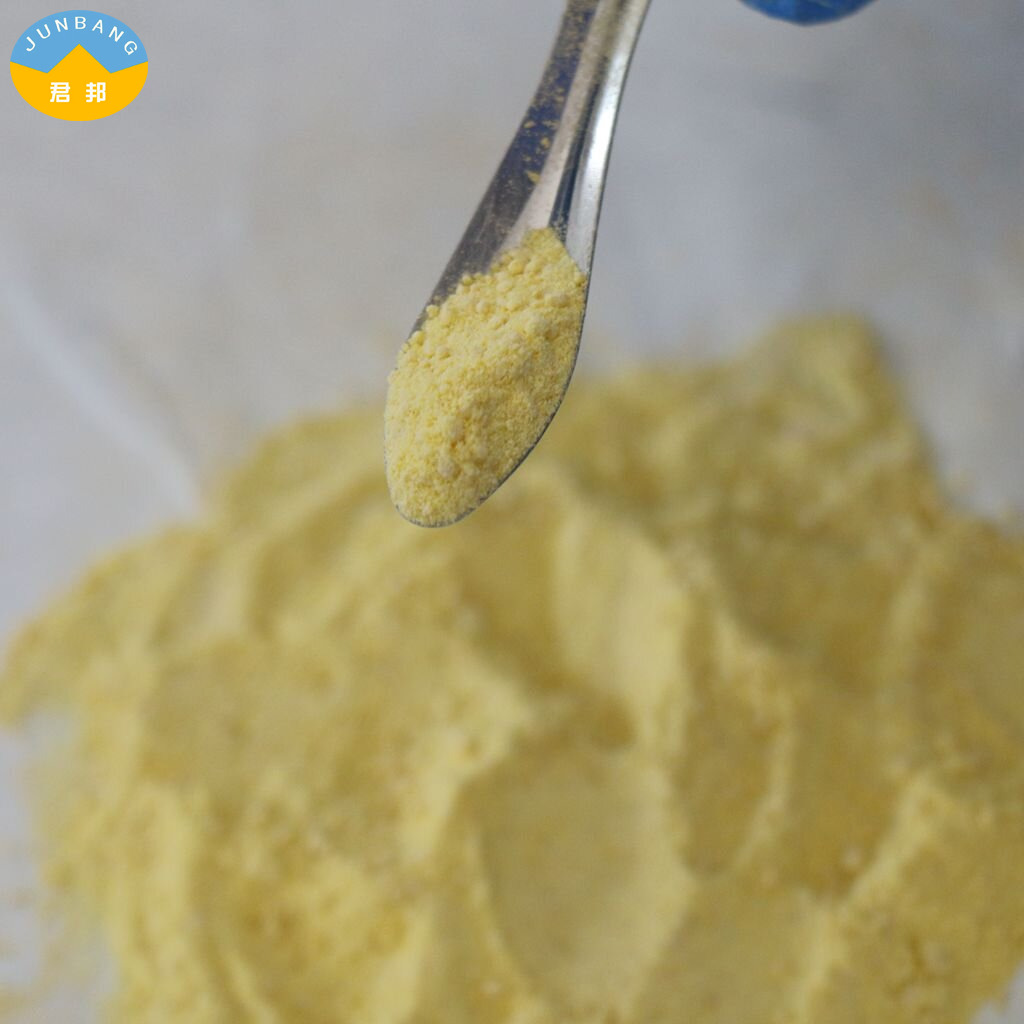
Hydrophobicity scales proportionally with hydrocarbon chain length. This five-carbon structure generates a highly water-repellent surface, creating a larger contact angle that allows air bubbles to attach aggressively. Compared to shorter-chain options, this reagent exhibits a massive affinity for mineral surfaces. For instance, high-quality industrial-grade variants typically maintain a purity of 90 percent or higher, with free alkali restricted to under 0.2 percent and moisture capped at 4.0 percent. These strict manufacturing parameters ensure maximum active collector availability in the pulp, giving metallurgists the raw pulling power needed to capture coarse particles and heavily tarnished sulfides that exhibit sluggish flotation kinetics.
This aggressive pulling power introduces the primary metallurgical dilemma: the delicate trade-off between recovery and selectivity. In froth flotation, collection strength and selectivity operate inversely. Strong collectors with long hydrocarbon chains are inherently aggressive. They readily coat target minerals like chalcopyrite or galena but simultaneously show a high propensity to activate unwanted iron sulfides, particularly pyrite and pyrrhotite.
When gangue floats alongside valuable metals, the concentrate grade plummets. This leads directly to increased smelting penalties and inflated freight costs. Plant managers must continuously scrutinize their grade-recovery curves. Monitoring daily tailings assays and observing froth bed characteristics—such as bubble size, color, and brittleness—helps determine if the current regime is leaving recovery on the table or sacrificing too much selectivity.
Navigating this dilemma requires routine comparative analysis between different xanthate homologs. A daily decision point in copper, lead, and zinc circuits is choosing between four-carbon and five-carbon collectors. For ores where valuable minerals liberate easily and gangue depression is the main hurdle, a shorter-chain collector is deployed. In these specific scenarios, sodium isobutyl xanthate is frequently favored. It provides reliable collection for clean sulfides while maintaining a lower profile for pyrite activation.
However, transition strategies become critical when recovery targets consistently fall short. If tailings analysis reveals significant losses of coarse target minerals or slow-floating middlings, operators must transition to a more robust five-carbon alternative. The extra carbon atom delivers the hydrophobic boost required to lift stubborn particles.
| Parameter | Sodium Isobutyl Xanthate | Sodium Isoamyl Xanthate |
|---|---|---|
| Carbon Chain Length | 4-Carbon | 5-Carbon |
| Collecting Power | Moderate to Strong | Very Strong |
| Selectivity | High | Low to Moderate |
| Best Application | Clean, well-liberated sulfides | Oxidized, coarse, or refractory ores |
| Typical Purity | ≥90% | ≥90% |
Deploying a strong collector demands precise, real-time operational control. Without it, the rapid loss of selectivity will quickly overwhelm the cleaner circuit. The foremost parameter to manage is pulp pH. High-carbon xanthates are prone to rapid decomposition in acidic environments, breaking down into toxic carbon disulfide and alcohol. Therefore, these reagents must operate in alkaline circuits, typically maintained between pH 8.5 and 11.0 depending on the mineralogy. Operators rely on automated lime feeders tied to real-time pH probes to ensure this alkaline environment stabilizes the collector and actively depresses iron sulfides.
From a practical plant floor perspective, dosage management is equally critical. A frequent operational error when processing difficult ores is falling into the over-dosage trap. Because the collector is highly aggressive, excess addition causes it to adsorb onto virtually all available sulfide surfaces, including gangue. To prevent this disastrous drop in concentrate quality, metallurgists employ starvation feeding. This hands-on technique involves adding the collector in multiple small, metered doses across the rougher and scavenger banks rather than a single large dump upfront. Furthermore, establishing optimal conditioning time ensures the reagent disperses uniformly throughout the slurry, preventing localized high concentrations and poor particle attachment.
Mitigating the inherently lower selectivity of aggressive collectors remains a primary focus for plant personnel. When exploring advanced sodium amyl xanthate applications or integrating other high-carbon collectors, the reagent is rarely deployed in isolation. Instead, it forms part of a comprehensive reagent suite designed to actively suppress gangue. The strategic use of depressants is standard practice. For instance, when floating chalcopyrite in an ore body heavily contaminated with pyrite, operators rely heavily on pH modifiers like quicklime to form hydrophilic calcium-based species on the pyrite surface, effectively blinding it to the collector.
A standard optimization tactic in modern mineral processing involves the strategic division of the flotation circuit. Plants often confine the use of the strongest collectors strictly to the scavenger circuit. In this setup, a more selective collector pulls a high-grade primary concentrate in the rougher and cleaner stages. The rougher tailings, containing the difficult, slow-floating particles, are subsequently treated with the stronger reagent in the scavenger cells. This layered approach guarantees maximum overall recovery without contaminating the primary high-grade concentrate.
Ultimately, altering a reagent regime is a decision driven by hard economics. A mining operation's financial health is dictated by the Net Smelter Return, which calculates actual revenue received after deducting penalties for impurities, treatment charges, and refining costs. Increasing metal recovery directly impacts the bottom line by producing more saleable metal per ton of ore processed. Even a fractional percentage increase translates to millions of dollars in additional annual revenue.
Nevertheless, this potential revenue boost must be carefully weighed against reagent consumption costs and concentrate grade penalties. If the aggressive nature of a strong collector pulls excessive silica, arsenic, or pyrite into the concentrate, the smelter will impose steep financial penalties. This can easily negate the revenue gained from higher metal recovery. Metallurgists run continuous cost-benefit models to ensure the long-term value of a stable, high-recovery flotation circuit justifies the integration of stronger collectors, provided the grade drop remains within acceptable smelter limits.
Implementing any powerful chemical reagent requires strict adherence to safety and environmental protocols. Alkali metal xanthates present specific occupational hazards that must be meticulously managed on-site. Best practices for storage dictate keeping these chemicals in cool, dry, and well-ventilated areas. Exposure to moisture or excessive heat triggers spontaneous decomposition. This not only degrades reagent efficacy but also releases carbon disulfide gas. This gas is highly toxic and extremely flammable, presenting a severe fire or explosion risk if allowed to accumulate in confined spaces.
Handling procedures must mandate the rigorous use of appropriate personal protective equipment, including chemical-resistant gloves, safety goggles, and respirators during mixing. From an environmental compliance perspective, regulatory alignment demands that mining operations prevent active reagents or their breakdown products from entering local water systems. Sustainable mineral processing strategies rely on well-engineered tailings dams designed for natural degradation via oxidation and UV exposure, or active chemical destruction processes using oxidants, ensuring all discharge water strictly meets international environmental standards.
Selecting the appropriate collector is fundamentally a strategic engineering decision. It requires operators to meticulously balance recovery strength against mineral selectivity to accommodate specific ore characteristics. As high-grade deposits become increasingly scarce, the ability to efficiently process difficult sulfide ores is paramount. Whether a plant currently relies on standard reagents or is navigating a transition to more aggressive high-carbon alternatives, success hinges on strict operational discipline. By prioritizing precise dosage control, rigorous pH management, and the tactical integration of auxiliary depressants, processing facilities can successfully protect their final concentrate grade while maximizing long-term profitability and metallurgical efficiency.
Generally, high-carbon xanthates carry a different price point than shorter-chain alternatives due to their complex manufacturing process. However, the significant increase in metal recovery achieved when processing difficult ores often drastically offsets the initial reagent cost, leading to superior overall profitability for the plant.
Yes, blending collectors is a very common and effective industry practice. Mixing reagents allows metallurgists to fine-tune the delicate balance between recovery and selectivity, leveraging the fast kinetics of one chemical alongside the raw pulling power of another to fully optimize the flotation circuit.
If your daily metallurgical accounting reveals consistently high losses of valuable minerals in the tailings despite optimal grinding, it is a strong indicator. Your current collector likely lacks the necessary hydrophobicity to recover slower-floating, oxidized, or coarse particles, signaling that a transition to a stronger alternative is required.
Dosage control and pulp pH regulation are undeniably the most critical factors. Because these collectors are exceptionally strong, precise, starvation-style addition is mandatory to prevent the unwanted flotation of iron sulfides and silicate gangue, which would otherwise severely downgrade the final concentrate quality.
The primary difference lies in the alkali metal cation used during manufacturing. Sodium-based xanthates use sodium hydroxide, while potassium-based ones use potassium hydroxide. While their collecting power and hydrocarbon chain lengths are identical, potassium variants are sometimes slightly more stable and soluble in cold water, though sodium variants are often more cost-effective for large-scale operations.
Pulp pH is the master variable in flotation. In acidic conditions, xanthates rapidly decompose and lose their collecting ability. In highly alkaline conditions, hydroxyl ions can compete with the collector for the mineral surface, potentially depressing valuable minerals. Maintaining the optimal alkaline pH range ensures the collector remains stable while effectively suppressing unwanted iron sulfides like pyrite.
Stop losing valuable minerals to the tailings dam due to suboptimal reagent selection. If you are struggling with complex, refractory, or heavily oxidized sulfide ores, upgrading your collector regime is the most effective path to maximizing recovery and profitability. Evaluate your specific ore characteristics and discover the right high-performance reagents tailored to your circuit's needs by exploring the comprehensive product lineup at Junbang Chemical today.

