
close
Choose Your Site
Global
Social Media


Views: 0 Author: Site Editor Publish Time: 2026-10-13 Origin: Site


Processing complex polymetallic ores is a notoriously unforgiving endeavor. When circuit chemistry falters, copper and zinc recovery rates plummet. This takes plant profitability down with them. Achieving high concentrate grades requires an intricate balance of physical parameters and chemical precision. I have spent years on the flotation deck troubleshooting these exact circuits. The margin for error is practically zero. In this comprehensive guide, we delve into the strategic optimization of circuit conditions. We will focus specifically on deploying the industry-standard collector effectively. By mastering these variables, plant metallurgists and operators unlock maximum metallurgical efficiency.
Recent industry analyses highlight a defining shift in global base metal mining. High-grade, easily liberated ore bodies are rapidly depleting. Today, operations must process increasingly complex, ultra-fine polymetallic deposits. What does this mean for the plant floor? The margin for metallurgical error has practically vanished. Advanced collector chemistry is no longer just an operational preference. It is an absolute economic necessity. Reagents must offer a precise balance of strength and selectivity to maintain profitability amidst tightening environmental regulations and rising energy costs.
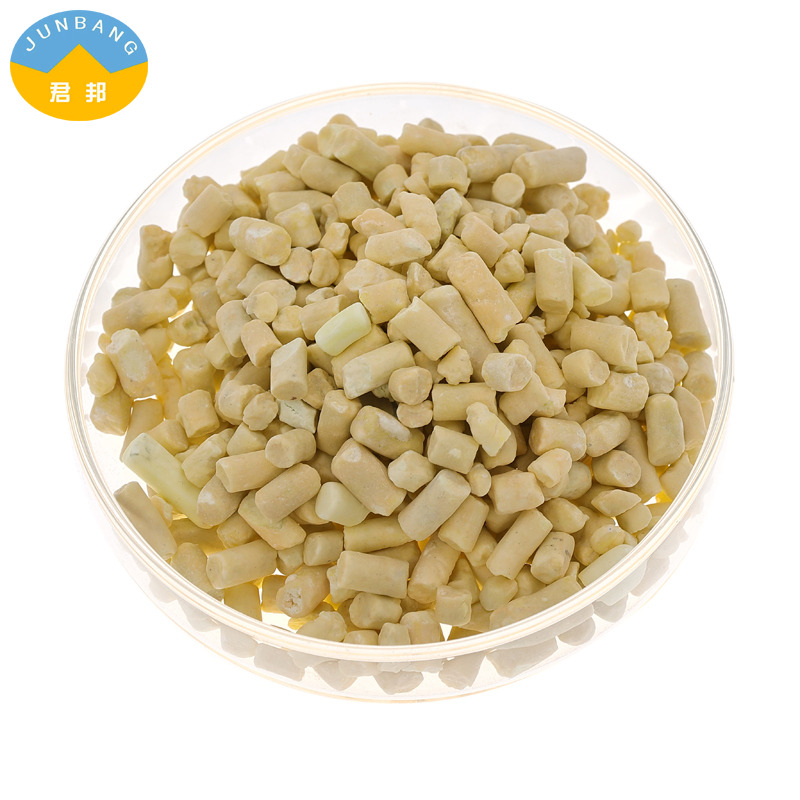
Selecting the right collector is the bedrock of high recovery in the demanding realm of mineral processing. sodium isobutyl xanthate (SIBX) stands out as a widely utilized organosulfur compound that functions as a formidable flotation collector. Its chemical structure features a four-carbon isobutyl chain. This specific characteristic provides substantially stronger collecting power compared to shorter-chain alternatives like sodium ethyl xanthate.
The core mechanism of this reagent involves chemisorption onto the surface of sulfide minerals. The polar end of the xanthate molecule attaches firmly to metal ions when introduced into the turbulent environment of a flotation cell. Meanwhile, the non-polar, hydrophobic tail extends outward into the surrounding water. This reaction renders the targeted mineral surface highly water-repellent. As air is sparged into the cell, these hydrophobic particles readily collide with and attach to rising bubbles. They ascend to form a mineral-rich froth.
Furthermore, high-quality variants of this collector typically boast an active xanthate purity exceeding 90 percent, with moisture levels kept strictly under 4 percent. These precise specifications ensure aggressive mineral collection without introducing excessive impurities into the circuit. While celebrated for copper-zinc separation, this collector boasts remarkable versatility across various ore types. It remains a staple reagent in the recovery of lead, nickel, and complex precious metal-bearing sulfides.
Processing modern copper-zinc ores presents unique metallurgical hurdles. The primary obstacle is the natural interlocking and fine dissemination of chalcopyrite and sphalerite. Achieving adequate liberation often demands ultra-fine grinding. Unfortunately, this generates slimes that consume excessive reagents and destabilize the froth phase.
Specifically, accidental activation remains a persistent nightmare for frontline metallurgists. Slight oxidation of copper-bearing minerals releases free copper ions into the pulp during the grinding and conditioning phases. These rogue ions inadvertently adsorb onto the sphalerite surfaces. This effectively activates the zinc. Once activated, sphalerite masquerades as a copper mineral. It floats prematurely in the copper circuit and severely dilutes the final concentrate grade.
Operations employ a sequential flotation flowsheet to combat these inherent challenges. The standard protocol involves floating the copper first while aggressively depressing the zinc. A secondary circuit follows where the zinc is intentionally activated and recovered. The collector is deployed strategically across both phases. It is applied in controlled, starvation doses during the copper roughing stage, and later introduced in the zinc circuit after copper sulfate activation.
Plant personnel must maintain uncompromising control over the physical and chemical environment within the flotation banks to maximize collector efficacy.
pH Control and Alkalinity
Xanthates are notoriously sensitive to pH fluctuations. They require a distinctly alkaline environment, typically maintained strictly between a pH of 9.5 and 11.5. The reagent rapidly decomposes into carbon disulfide gas if the pulp drifts into acidic or even neutral territory. This highly toxic and flammable byproduct poses severe safety risks. In addition, high alkalinity is essential for mineral depression. Operators frequently utilize lime to modify the pH. Calcium ions work synergistically with the alkaline environment to form hydrophilic, depressing layers on the surfaces of pyrite and sphalerite.
Pulp Density and Conditioning Time
Standing on the flotation deck, an operator quickly learns that physical pulp parameters dictate success just as heavily as chemical additions. The ideal pulp density for optimal reagent dispersion generally falls between 25 and 35 percent solids by weight. An overly dense pulp leads to uneven reagent distribution. In contrast, a dilute pulp drastically reduces the collision rate between air bubbles and mineral particles.
Adequate conditioning time is equally vital. Rushing the conditioning phase results in incomplete hydrophobicity. The collector simply needs a minimum of 2 to 5 minutes in the agitation tanks to fully adsorb onto the target mineral surfaces before aeration commences.
Oxidation-Reduction Potential
The pulp potential acts as an invisible hand guiding xanthate adsorption. Effective flotation requires the electrochemical potential to sit within a specific window. This promotes the oxidation of xanthate ions into dixanthogen. This dimerized form of the collector is crucial for floating specific sulfide minerals. Continuous monitoring remains a best practice for modern plants seeking peak efficiency.
Determining the exact dosage of the collector is a delicate, high-stakes balancing act. Overdosing is a surprisingly common operational trap. While it may intuitively seem that more chemical yields higher recovery, excessive collector blindly pulls up gangue minerals and poorly depressed zinc. Conversely, underdosing leaves valuable copper minerals hydrophilic, sending profits straight to the tailings dam.
Metallurgical best practices dictate stage-addition strategies to maintain optimal concentration levels. Operators distribute the reagent across multiple injection points rather than dumping a single bulk dose at the head of the rougher circuit. A typical setup allocates 50 percent of the dosage to the conditioning tank, 30 percent to the rougher cells, and the remaining 20 percent to the scavengers. This method sustains a consistent chemical driving force throughout the entire circuit.
Furthermore, starvation dosing is frequently employed during the primary copper flotation. Metallurgists dial the dosing pumps down to the absolute minimum required to float the fast-floating chalcopyrite. This prevents the strong isobutyl chain from indiscriminately grabbing zinc and pyrite.
The accompanying depressant strategy must be equally aggressive because the collector is inherently powerful. Zinc sulfate is the undisputed industry standard for holding down sphalerite. It is often combined with sodium sulfite or cyanide for enhanced effect. The interaction in the pulp is highly competitive. The depressant must successfully maintain a hydrophilic coating on the zinc, actively resisting the strong hydrophobic pull of the xanthate until the copper circuit concludes.
The tailings proceed to the zinc circuit once the copper is skimmed away. Copper sulfate is introduced here to activate the previously depressed sphalerite, creating a pseudo-copper surface. Another carefully calculated dose of the collector is added following this activation to recover the altered zinc surfaces.
Frothers are responsible for creating a stable bubble matrix. The fast-floating kinetics of this specific collector pair exceptionally well with frothers like Methyl Isobutyl Carbinol. This produces a brittle, shallow froth that promotes the rapid drainage of entrained gangue. It prevents unmanageable froth columns that choke launder pumps and degrade the final concentrate.
Procurement managers must consider the physical form of their reagents when optimizing a circuit. Both forms deliver identical metallurgical performance once fully dissolved, but they present vastly different operational logistics. How do you choose the right format for your specific plant infrastructure?
Here is a direct comparison to guide your procurement strategy:
| Specification Feature | Pelletized Form | Powdered Form |
|---|---|---|
| Dissolution Speed | Moderate requires robust mechanical agitation | Rapid dissolves almost instantaneously |
| Dust Generation | Virtually none excellent for occupational safety | High requires strict explosion-proof ventilation |
| Storage Stability | Superior highly resistant to caking and moisture | Moderate prone to clumping in humid environments |
| Best Suited For | Automated dosing systems and safety-first facilities | Older plants with limited mixing capacity or batch runs |
For many modern facilities prioritizing occupational health, SIBX pellets have become the gold standard. The extrusion process binds the reactive material into dense, uniform cylinders. This generates virtually no combustible dust during transport and unloading. It drastically mitigates inhalation risks for operators and reduces the likelihood of dust explosions in the reagent preparation area. Additionally, pellets exhibit superior storage stability, resisting moisture absorption even in punishingly humid mining environments.
Despite the safety advantages of extruded forms, SIBX powder remains highly relevant due to its rapid dissolution kinetics. Featuring a vastly higher surface area, the powder dissolves almost instantaneously upon agitation. This is highly advantageous for older plants with limited mechanical mixing capacity or operations requiring rapid batch preparation. However, handling powder demands rigorous adherence to personal protective equipment protocols and explosion-proof ventilation.
Even with optimized baseline settings, sudden variations in the ore feed can rapidly upset the circuit. Flotation operators must rely on empirical data and keen observation to diagnose and resolve these disturbances.
High Zinc Misplacement in Copper Concentrate
Circuit selectivity is compromised when too much zinc floats with the copper. Actionable solutions include verifying the pH immediately. A drop in alkalinity instantly weakens zinc depression. Operators should also consider increasing the dosage of the zinc sulfate depressant, or slightly dialing back the collector dosing pumps to reinforce starvation dosing principles.
Poor Copper Recovery in Roughers
Hydrophobicity is insufficient if chalcopyrite is visibly escaping into the tailings. The first step is to check the conditioning time to ensure the reagent has adequate contact time to adsorb. Verify the grind size next. Poor liberation means the collector simply cannot access the embedded mineral surfaces. Finally, confirm that the reagent solution itself is fresh and active.
Reagent Degradation
A frequently overlooked culprit is the degradation of the collector solution in the holding tanks. Xanthates immediately begin to hydrolyze once mixed with water. This decomposition accelerates exponentially in warm weather. Plant operators must mandate that reagent solutions are prepared fresh daily. Relying on degraded solutions forces higher dosing rates and guarantees unpredictable metallurgical outcomes.
The metallurgical efficiency of any flotation circuit is inextricably linked to the chemical purity of its reagents. Procurement decisions driven solely by the lowest unit cost frequently result in severe downstream metallurgical penalties. Low-grade manufacturing leaves unreacted alcohols, excessive moisture, and harmful byproducts like free sodium sulfide in the chemical. These impurities introduce unwanted ions that actively sabotage the delicate copper-zinc separation process. They cause erratic frothing and consume excess pH modifiers.
Consistent mineral recovery demands a consistent chemical supply. Partnering with a reputable manufacturer ensures that every batch contains the exact specified percentage of active ingredients. This consistency allows metallurgists to lock in their circuit parameters without constantly recalibrating for chemical variations.
For procurement managers and plant superintendents, the focus must extend beyond the raw unit price. Evaluating custom solutions tailored specifically to your unique mineralogy yields substantially higher overall plant profitability. Requesting comprehensive technical data sheets and localized supply chain guarantees is critical to ensuring your circuit operates at peak efficiency year-round.
Successful copper-zinc flotation is an intricate balancing act that requires relentless attention to circuit conditions. Variables such as pH, conditioning time, and reagent synergy are not just operational guidelines. They are the absolute drivers of plant profitability. Utilizing a robust collector ensures excellent mineral recovery, provided it is applied with precision and care. We encourage plant operators and metallurgists to continuously evaluate their current flotation circuits and dosing strategies. Are you struggling with erratic concentrate grades or high reagent consumption? Upgrade your circuit performance with high-purity reagents. Visit Junbang Chemical to explore specialized products and expert technical support tailored to your modern polymetallic processing needs.
The primary distinction lies in the length of their hydrocarbon chains. The four-carbon chain offers a strong yet relatively selective collection profile that is ideal for separating complex copper-zinc ores. In contrast, Potassium Amyl Xanthate utilizes a five-carbon chain, making it the strongest but least selective xanthate available. It aggressively floats almost all sulfide minerals and is typically reserved for scavenger circuits or highly tarnished ores.
Absolutely not. This is strictly prohibited by both chemical kinetics and safety protocols. All xanthate collectors are highly unstable in acidic environments. The reagent undergoes rapid decomposition if introduced to an acidic pulp. It breaks down into highly toxic and explosive carbon disulfide gas. Xanthates must exclusively be utilized in highly alkaline flotation circuits.
The active compound begins a slow process of hydrolysis once the solid reagent is dissolved in water. It gradually loses its collecting efficacy over time. A standard solution remains viable for approximately 48 to 72 hours in a temperature-controlled environment. Mixing fresh batches daily is an industry best practice to guarantee optimal metallurgical performance.
The transition is almost entirely driven by occupational health and safety improvements. Powdered reagents generate significant amounts of fine, combustible dust during handling. This poses a serious respiratory threat. Pellets are virtually dust-free due to their dense physical form. This allows for much safer handling and cleaner mixing areas while delivering the exact same chemical performance.
The dosage directly dictates the balance between recovery and grade because it is a highly powerful chemical. Correct dosing efficiently recovers chalcopyrite for a high-grade concentrate. However, overdosing forces the flotation of poorly liberated particles and naturally depressed minerals like pyrite and sphalerite. This dilutes the copper and significantly lowers the final concentrate grade.
Grind size dictates mineral liberation. The valuable copper minerals remain locked inside gangue particles if the ore is too coarse. This prevents the collector from making physical contact with the target surface. Conversely, over-grinding produces ultra-fine slimes that coat larger particles and consume massive amounts of reagents. This leads to poor selectivity and excessive chemical costs.
The ideal water temperature for preparing these reagent solutions is between 15 and 25 degrees Celsius. Using water that is too hot accelerates the hydrolysis process. This causes the active chemical to degrade rapidly before it even reaches the flotation cell. Cold water significantly slows down dissolution, which can be problematic when using pelletized forms that already require robust mechanical agitation.

