
close
Choose Your Site
Global
Social Media


Views: 0 Author: Site Editor Publish Time: 2026-05-19 Origin: Site


Processing complex copper sulfide ores requires precise metallurgical balancing. Operators must achieve maximum copper recovery alongside stringent selectivity against gangue minerals like pyrite. If you float too much iron, smelting penalties quickly erode your profit margins. Currently, rapidly declining ore grades complicate this baseline. Simultaneously, strict environmental, social, and governance compliances compel plant managers to critically evaluate their chemical collector strategies. Relying strictly on traditional reagent dosages often introduces unacceptable ecological risks and performance bottlenecks.
We provide a transparent, metallurgical, and economic comparison between Sodium Isopropyl Xanthate, other xanthate derivatives, and advanced specialty blends. You will learn the core mechanisms driving mineral hydrophobicity. We will also outline actionable frameworks to confidently support your next reagent procurement and plant trial decisions. You can use these insights to navigate shifting regulatory landscapes while maintaining optimal concentrate yields.
The Carbon Chain Rule: Hydrophobicity and selectivity are inversely related; Sodium Isopropyl Xanthate offers a balanced 3-carbon structure, positioning it exactly between highly selective SEX and powerful, non-selective PAX.
Blended Synergies: Combining Sodium Isopropyl Xanthate with ester-based collectors can improve copper grade by up to 15% while reducing overall toxicity and reagent consumption.
Environmental Stability: Xanthate decomposition is highly sensitive to pH and temperature; operational stability drops severely at pH < 7, requiring precise tailing management.
Trial Readiness: Moving away from standard xanthates to modified formulations requires rigorous batch flotation testing and paired t-tests in plant environments.
Modern mineral processing environments face a harsh complex ore reality. Traditional collectors struggle immensely when processing high-clay or fine-grained deposits. They also fail to separate mixed oxide-sulfide combinations efficiently. Operators cannot push these ores through standard flotation circuits without costly pre-treatment methods. You usually must rely on aggressive sulfidization via sodium hydrosulfide (NaHS) to activate oxidized surfaces. This extra chemical step dramatically increases daily operating expenses.
Furthermore, metallurgists constantly battle a strict selectivity versus recovery trade-off. Capturing every ounce of copper often means sweeping up unwanted gangue. Floating iron sulfides, specifically pyrite, alongside chalcopyrite carries a heavy business cost. Excess iron dilutes the final concentrate. This dilution results in lower overall grades. Downstream smelters then impose severe financial penalties on these low-grade shipments. You must find a chemical balance to reject pyrite while floating valuable chalcopyrite.
Regulatory frameworks add another layer of operational complexity. Global environmental, social, and governance (ESG) pressures continuously mount. Mining companies face increasing necessity to lower overall chemical dosing across their circuits. Operations must strictly manage volatile decomposition byproducts. Carbon disulfide gas poses severe occupational health risks if mismanaged. Facilities also need to optimize the half-lives of their tailing ponds. Reducing the toxic load in wastewater ensures long-term operational licenses remain secure.
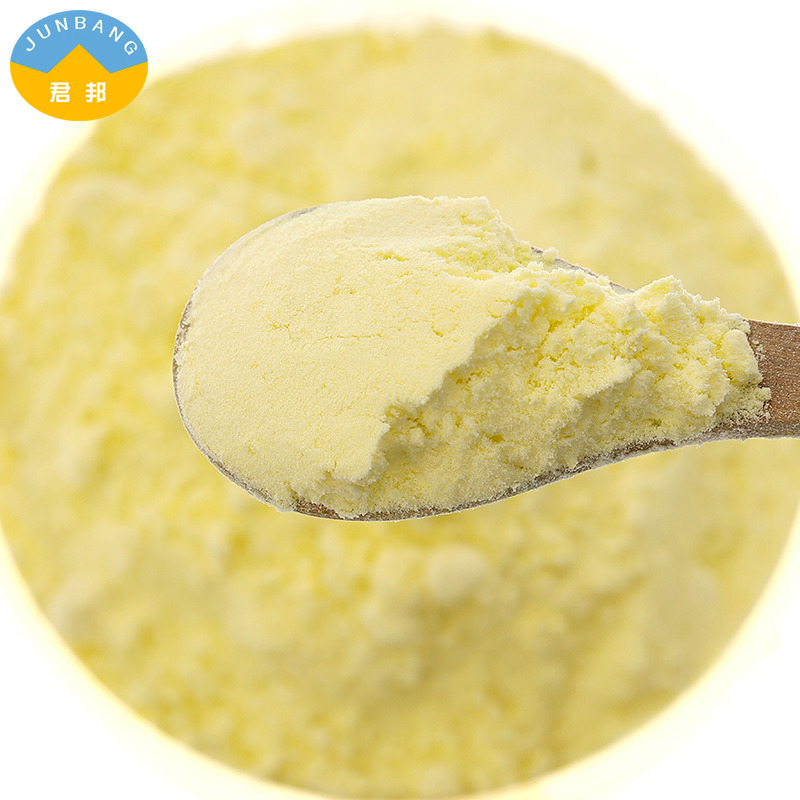
We classify Sodium Isopropyl Xanthate as a strong, mid-range collector. It functions by creating a robust hydrophobic layer directly on metallic sulfide surfaces. The chemical structure acts as an anchor. The sulfur end binds firmly to the copper minerals. The hydrocarbon tail then points outward into the slurry. This outward-facing tail repels water. Air bubbles easily attach to this water-repelling layer. This mechanism specifically targets copper, zinc, and gold-bearing pyrite deposits.
The core molecular advantage lies in its specific three-carbon chain length. This exact chain size strikes a critical functional balance. It provides significantly stronger collection power than its shorter counterpart, Sodium Ethyl Xanthate (SEX). However, it simultaneously maintains much better mineral selectivity than Potassium Amyl Xanthate (PAX). This middle ground makes it an industry workhorse for standard copper circuits.
To maximize efficiency, you must operate within ideal environmental windows. Xanthate chemistry remains highly sensitive to slurry conditions. SIPX proves most effective in moderately alkaline environments. Plant metallurgists recommend maintaining the flotation circuit pH strictly between 8 and 9.5. Falling outside this window degrades collector performance rapidly.
Despite its widespread utility, operators must acknowledge its known limitations. It lacks the fine selectivity required for highly complex polymetallic ores. For instance, separating chalcopyrite from high-pyrite gangue often proves difficult using this reagent alone. You will likely need aggressive depressants to achieve clean separation. Modifiers like lime or cyanide become mandatory to suppress the unwanted iron sulfides effectively.
Choosing the correct carbon chain length dictates your entire flotation success. The hydrocarbon chain determines how aggressively the collector grabs minerals. Shorter chains offer precision. Longer chains offer brute force. Here is how standard options compare in industrial applications.
Collector Type | Carbon Chain Length | Relative Hydrophobicity | Mineral Selectivity | Primary Industrial Application |
|---|---|---|---|---|
Sodium Ethyl Xanthate (SEX) | 2 Carbons | Weakest | Highest | Highly activated ores, grade-priority circuits |
Sodium Isopropyl Xanthate (SIPX) | 3 Carbons | Moderate | Balanced | Dedicated copper processing, zinc circuits |
Sodium Isobutyl Xanthate (SIBX) | 4 Carbons | Strong | Moderate-Low | Heavy non-ferrous sulfides, lead-zinc mixes |
Potassium Amyl Xanthate (PAX) | 5 Carbons | Strongest | Lowest (Bulk) | Scavenging circuits, gold-bearing sulfides |
Let us examine the direct operational comparisons between these reagents.
SEX holds only two carbon atoms in its structure. It remains the weakest but most highly selective option available. Choose SEX for highly activated, easy-to-float ores. Use it when high concentrate grade stands as your absolute priority. However, its weak pull often leaves valuable minerals in the tailings. You should default back to a three-carbon alternative if overall recovery rates drop below acceptable margins.
SIBX contains four carbon atoms. It offers slightly stronger hydrophobicity than the three-carbon version. SIBX is frequently preferred for heavier non-ferrous sulfides. Metallurgists commonly use it for complex lead and zinc combinations. Conversely, the three-carbon baseline usually proves more cost-effective for pure copper processing. It provides enough pull without the added expense of the four-carbon manufacturing process.
PAX boasts a robust five-carbon chain. It acts as a powerful, non-selective bulk collector. It grabs almost every sulfide particle it touches. Use PAX strictly for scavenging circuits to sweep up leftover values. It also excels in gold-bearing sulfides where operators require maximum total recovery. You must avoid PAX in primary copper circuits if you face high iron penalty risks. It will invariably pull massive amounts of pyrite into your final product.
The industry is rapidly shifting toward specialized molecular engineering. The case for modified collectors grows stronger as ore grades decline. Research proves structurally modified derivatives perform exceptionally well during complex separations. Chemists often add carbonyl or benzyl groups to standard molecules. These additions allow the collector to act as a bidentate ligand. Bidentate ligands attach to mineral surfaces at two distinct points. This dual-attachment vastly improves chalcopyrite selectivity over standard xanthates. They bind aggressively to copper ions while essentially ignoring iron surfaces.
Collector blending offers another immediate operational upgrade without requiring entirely new chemicals. Empirical data shows distinct benefits when blending a primary collector with an auxiliary chemical. You can effectively combine Sodium Isopropyl Xanthate with specialized ester-based formulations or thionocarbamates.
This blended synergy creates powerful operational outcomes. The auxiliary ester actively displaces sodium ions naturally resting on the mineral surface. This targeted displacement opens up additional binding sites for copper extraction. The business impact proves substantial. These customized blends can yield measurable concentrate grade improvements reaching up to 15%. Simultaneously, they lower the total volume of toxic reagents required. This reduction directly aids corporate sustainability targets and reduces chemical freight costs.
Performance Metric | Standalone SIPX Dosing | SIPX + Ester Blend |
|---|---|---|
Copper Concentrate Grade | Baseline (Standard) | Up to 15% Improvement |
Total Reagent Volume | High (100% Dosage) | Reduced (Synergistic Efficiency) |
Pyrite Rejection Rate | Moderate | Excellent |
When should a facility make the switch? You must critically discuss the return on investment (ROI) regarding specialty formulations. Modified collectors carry a higher unit cost per ton. However, the improved grade and reduced smelting penalties usually offset this initial expense rapidly. If poor selectivity heavily bottlenecks your revenue, the ROI on a blended strategy remains highly favorable.
Transitioning chemicals requires updated plant protocols. You cannot treat specialty blends exactly like traditional reagents. Implementing new dosing strategies is critical. Non-water-soluble blends require different introduction points than standard aqueous mixtures. We recommend adding non-soluble ester blends directly to the ball mill. This early introduction strategy ensures better physical dispersion. It also grants the chemicals a significantly longer contact time with fresh mineral surfaces. You can add the standard aqueous solutions later in the conditioning tanks.
You must strictly manage chemical degradation and environmental fate. Hydrolysis in water causes these reagents to break down predictably. This natural breakdown mechanic yields volatile carbon disulfide and distinct alcohols. Environmental testing reveals clear half-life metrics. At 25°C and a pH of 8, the specific half-life sits at approximately 109 days. This slow decay is manageable in controlled tailing facilities. However, chemical stability drops rapidly at higher temperatures. It also collapses catastrophically if the slurry pH falls below 7.
Safe handling and EHS risk mitigation remain non-negotiable priorities. Regulatory bodies classify xanthates as spontaneously combustible hazardous materials (Class 4.2). They pose severe fire and inhalation risks if mismanaged. Facilities must implement the following safety practices:
Enforce strict "first-in, first-out" (FIFO) inventory rotation to prevent aging and premature decomposition.
Maintain rigorous moisture control in all storage areas. Damp powder easily self-heats and ignites.
Install continuous, precise pH regulation monitors in the float circuit.
Equip workers with specialized organic vapor respirators when handling dry powder.
Ensure robust ventilation systems operate continuously above chemical mixing tanks.
Preventing rapid, hazardous decomposition events protects both your workforce and your operational license.
Selecting a new collector requires systematic evaluation. Haphazardly changing chemicals disrupts production stability. Follow this clear framework to shortlist your next trial effectively.
Establish a clear mineralogical baseline. Assess the precise liberation degree of your target ore. Determine the exact pyrite ratio present in the gangue. Evaluate the oxide-sulfide mix accurately. This baseline data determines if you need a standalone collector or a complex NaHS sulfidization blend. You cannot skip this analytical step.
Define the primary limiting metric. Identify what specific issue currently bottlenecks your plant. Do you suffer from consistently poor grade? If so, you need high selectivity reagents and specialty blends. Do you struggle heavily with total mineral recovery? You likely need longer-chain xanthates to capture more difficult material. Isolate the exact problem before requesting chemical samples.
Implement a rigid trial methodology. Establish a highly controlled protocol for transitioning. Start with small micro-flotation batch tests in the laboratory. Record the recovery and grade curves meticulously. Progress slowly to paired t-tests in live plant operations. A paired t-test compares the old reagent against the new blend under identical shift conditions. This methodology statistically validates your expected economic uplift before authorizing full-scale adoption.
Taking a structured approach prevents costly plant downtime. It also provides procurement teams with the hard data required to justify new chemical expenditures.
The balanced 3-carbon structure provides a highly reliable foundation for global copper sulfide flotation. It efficiently balances acceptable recovery rates with necessary pyrite rejection. However, extracting maximum economic value from declining ore bodies increasingly demands process evolution. Modern facilities are rapidly advancing from standalone dosing regimens to optimized, synergistic collector blends.
You must carefully manage pH and temperature controls to prevent hazardous chemical degradation. Overlooking these parameters introduces severe safety and environmental liabilities. Furthermore, successful chemical transitions rely entirely on systematic mineralogical baselining and rigorous statistical testing. Never substitute reagents without conducting comprehensive laboratory batch tests first.
We encourage metallurgical engineers and procurement teams to collaborate closely. Consult with specialized reagent suppliers to design custom benchmarking studies. By engineering a targeted trial, you can secure high-quality sample batches and rapidly refine your plant's operational parameters.
A: No. Standard xanthate collectors cannot float copper oxide minerals directly. You must apply a prior sulfidization step using agents like sodium hydrosulfide (NaHS) to activate the oxide surface. Alternatively, operations can utilize a combined physical-chemical approach, integrating gravity separation before the flotation circuit to effectively recover mixed oxide-sulfide deposits.
A: Circuit pH dictates both chemical stability and worker safety. Below pH 7, reagent decomposition accelerates dangerously. This acidic breakdown reduces flotation efficiency and simultaneously releases highly volatile, toxic carbon disulfide gas. To ensure safe handling and optimal performance, operations must maintain a strictly alkaline environment, ideally between pH 8 and 9.5.
A: Replacement ratios vary significantly based on unique ore mineralogy. However, synergistic blends often allow a measurable reduction in overall dosage requirements due to vastly improved adsorption efficiencies. Because esters and standard collectors work cooperatively, you cannot assume a simple 1:1 replacement. Rigorous laboratory batch testing is required to find the exact substitution rate.

