
close
Choose Your Site
Global
Social Media


Views: 0 Author: Site Editor Publish Time: 2026-10-19 Origin: Site


In the highly competitive landscape of mineral processing, the precise application of flotation reagents acts as the linchpin for maximizing copper recovery from complex sulfide ores. For a large-scale mining operation, even a fractional improvement in recovery rates—perhaps as small as half a percent—can translate into millions of dollars in additional annual revenue. Choosing the right collector is not merely a technical checkbox; it is a fundamental economic driver that determines the profitability of your entire extraction circuit.
Among the diverse array of reagents available, sodium isopropyl xanthate stands out as a reliable and cost-effective workhorse for copper concentrators worldwide. This compound offers a unique chemical balance that allows plant operators to manage fluctuating feed grades with confidence. This guide is designed to help procurement managers and metallurgists navigate the selection process, providing actionable insights into quality metrics and performance optimization.
Modern mining faces a distinct challenge: as high-grade, easily accessible copper reserves deplete, operations are shifting toward lower-grade and highly complex polymetallic ores. This shift has forced concentrator plants to demand more versatile chemical solutions. Modern circuits require reagents that adapt to varying feed stocks without needing expensive, constant redesigns of the flotation cells.
From a chemical perspective, this reagent functions as an organic salt designed to selectively coat valuable mineral surfaces. To ensure optimal performance in your plant, procurement teams must verify that the product meets stringent industrial standards. A high-quality grade should boast an active ingredient purity of at least 90%, which is critical for reducing volumetric dosage. Furthermore, maintaining free alkali levels below 0.2% and moisture content under 4% is essential to prevent caking and premature chemical breakdown during long-term storage.
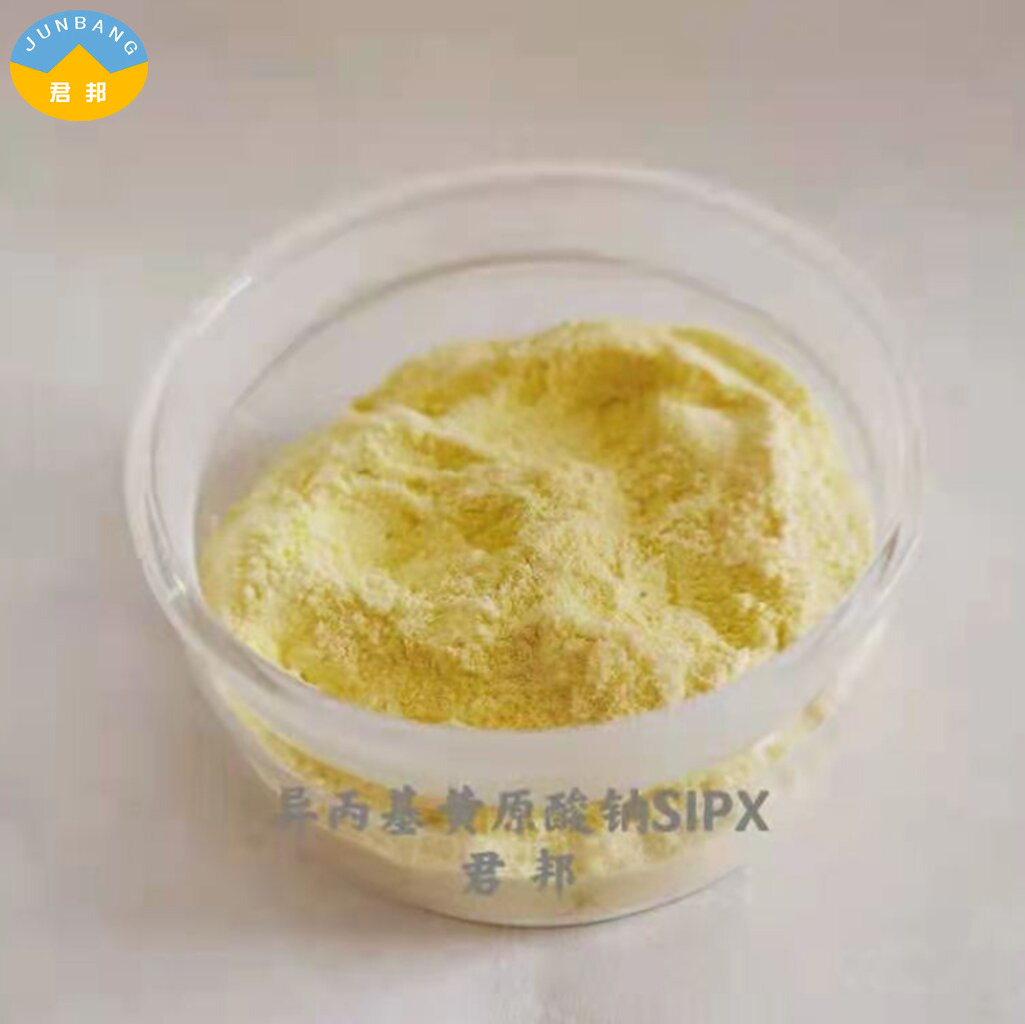
Metallurgists must grasp the molecular interaction between the reagent and the ore to make sound operational decisions. Flotation is, at its core, a surface chemistry phenomenon that relies on manipulating particle hydrophobicity.
The reagent molecule is amphiphilic, featuring a polar, hydrophilic head and a non-polar, hydrophobic isopropyl tail. When added to the flotation conditioner, the hydrophilic head chemically bonds to copper ions on the mineral surface. This creates a durable, water-repelling film that effectively prepares the mineral for air bubble attachment. As air is sparged into the slurry, the mineralized particles, now hydrophobic, attach to bubbles and rise to the surface as froth. This precise separation remains the cornerstone of efficient copper beneficiation.
The effectiveness of any xanthate is primarily dictated by its hydrocarbon chain length. As the chain grows, collecting power typically increases, but selectivity against gangue minerals like pyrite tends to drop. Engineers must match the reagent's characteristics to the specific mineralogy of the ore body to avoid over-collecting unwanted waste rock.
For operations requiring maximum precision in differential flotation, the short-chained ethyl variant is often the preferred choice. Conversely, for difficult-to-float or heavily oxidized ores where recovery must be maximized regardless of some selectivity loss, the more aggressive isobutyl variant is standard. The isopropyl-based collector, however, remains the industry "sweet spot." It provides sufficient power to recover copper while maintaining a controlled rejection of pyrite, making it the most forgiving and versatile tool for daily plant operations.
Evaluating a supplier requires looking beyond the basic price per ton. A rigorous assessment of the Certificate of Analysis is the only way to safeguard your plant's performance. Purchasing a product with higher active purity is often a superior economic move, even at a higher base cost, because it significantly lowers the dosage required per ton of ore processed.
Physical form also plays a major role in operational costs. Pellets are vastly superior to fine powders in an industrial setting. They drastically reduce airborne dust, which improves workplace safety and lowers the risk of respiratory issues for your operators. Additionally, pellets dissolve with more predictable kinetics in mixing tanks, ensuring your pumps remain clog-free and your reagent delivery is uniform. By prioritizing stable, high-purity, pelletized material, you minimize the risk of batch-to-batch variability that leads to costly circuit recalibrations.
These reagents are reactive chemicals that require careful handling and storage. If they are exposed to moisture, they can undergo hydrolysis and degrade into carbon disulfide, which is both toxic and flammable. Therefore, facilities must be kept cool, dry, and well-ventilated.
When handling the product, personnel should strictly adhere to safety protocols, including the use of nitrile gloves and appropriate respiratory protection. Because these chemicals are toxic to aquatic life, your site must also have robust tailings and wastewater management protocols. Residual xanthates should be allowed to degrade in engineered settling ponds, ensuring full regulatory compliance and environmental responsibility before any process water is discharged or recycled.
Because every ore body is unique, industry-standard reagent performance is just a starting point. Procurement managers should always request samples for empirical validation. Conducting bench-scale flotation tests allows your metallurgy team to plot a dosage curve that is specifically optimized for your plant's water chemistry and mineral composition.
This data-driven approach removes the guesswork from supply agreements. By validating the product in your own lab, you can confidently commit to bulk purchases, knowing exactly how the reagent will perform under current plant conditions. If you are looking to optimize your current recovery rates, reaching out to a technical team for a customized assessment is the most efficient next step.
Dosage rates are highly dependent on the copper content and gangue mineralogy of the feed ore. Most operations apply between 10 grams and 100 grams per metric ton of ore. It is critical to perform regular, site-specific metallurgical testing to determine the precise optimal dosage for your circuit.
Yes, it is frequently used alongside frothers such as MIBC or pine oil to stabilize the froth phase. Furthermore, it is common to blend the reagent with dithiophosphates or other collectors to create synergistic suites that improve recovery on complex or tarnished copper sulfides.
Store all xanthate products in their original, sealed packaging within a temperature-controlled, dry warehouse. Keep them away from direct heat, sunlight, and any potential sources of sparks or open flames. Proper storage maintains chemical stability and extends the shelf life to the standard 6 to 12 months.
While the isobutyl version is a more aggressive collector suitable for very difficult-to-float ores, the isopropyl version offers a better balance for standard operations. It achieves higher concentrate grades by being more selective against pyrite, whereas the isobutyl version often requires more careful regulation to prevent unwanted gangue from floating.
It is toxic to aquatic organisms and requires careful management in tailing circuits. However, it naturally decomposes over time in open-air settling ponds, meaning that with proper engineering controls and adherence to local discharge regulations, it can be safely managed within a modern mining operation.

