
close
Choose Your Site
Global
Social Media


Views: 0 Author: Site Editor Publish Time: 2026-11-21 Origin: Site


Processing oxidized copper ores such as malachite, azurite, and chrysocolla is notoriously difficult for mineral processing plants worldwide. Standard thiol collectors fail to attach to these minerals because they lack natural surface hydrophobicity. Are you struggling with low recovery rates? Is valuable copper disappearing into your tailings? The root cause is usually your surface activation strategy. Efficient sulfidization unlocks these reserves. This guide explores the essential parameters required to optimize sodium sulfide flotation and maximize your copper recovery.
The global mining sector faces a harsh reality today. High-grade primary sulfide deposits are depleting rapidly. Consequently, processing plants are forced to tackle complex, low-grade oxidized ores. Industry data shows a massive shift toward developing mixed transition zones. This trend elevates sulfidization from a niche technique to a mandatory commercial strategy. Plants that fail to adapt their reagent regimes will face shrinking profit margins. Mastering surface activation is no longer optional. It is the baseline for survival.
To make naturally hydrophilic oxide minerals floatable, plant metallurgists force a chemical activation process. During this stage, the sulfidizing agent reacts with the oxidized copper mineral surface. It forms a microscopic, insoluble film of copper sulfide. This layer masks the original oxide surface. It creates a synthetic sulfide character that traditional xanthate collectors can recognize and grab onto. The mineral instantly becomes hydrophobic and floats to the froth zone.
Understanding this surface chemistry is your first step in troubleshooting poor plant performance. If your rougher circuit fails to capture oxidized copper, do not blame the collector immediately. You likely have a surface activation failure. Precision in sulfidization technology is the critical pillar of profitable production.
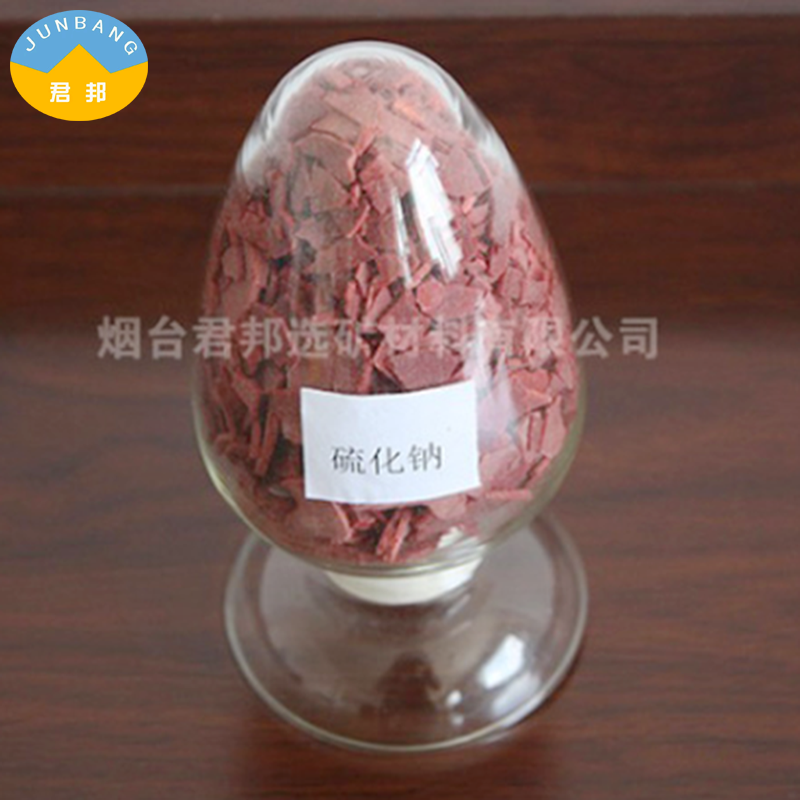
Achieving consistent recovery is tough. It requires precise chemical control rather than just dumping reagents into a tank. Insufficient dosage means you fail to create the necessary sulfide film. The result is instant copper loss to the tails. In contrast, excessive sulfide ions in the pulp are highly toxic to flotation. They act as a potent depressant. Excess ions prevent the collector from adhering to both the newly activated oxidized surfaces and the natural primary sulfide minerals.
To mitigate this depression risk, experienced engineers favor staged addition. You distribute the reagent at multiple conditioning points. This maintains a stable, low-concentration ion environment throughout the rougher and scavenger banks.
Specifically, the chemistry of this reaction depends heavily on pulp pH. Sodium sulfide dissociates in water into different active ions. Their ratios shift wildly based on slurry alkalinity. Stop relying on manual pH adjustments. Modern plants utilize real-time electrochemical monitoring. By using platinum electrodes to track the pulp potential, operators gain an immediate diagnostic of the circuit. You can see exactly when the pulp becomes over-sulfidized and take immediate corrective action.
Mechanical agitation also plays a massive role. The synthetic copper sulfide film is incredibly fragile. High-shear impellers in conditioning tanks will literally strip the film right off the mineral particles. Ensure your conditioning provides enough residence time for the chemical reaction to finish, but keep the agitation gentle to preserve the new surface.
Selecting the right base chemical impacts plant safety, dosing accuracy, and recovery consistency. The table below outlines the primary differences to help you make an informed engineering decision.
| Parameter | Sodium Sulfide | Sodium Hydrosulfide |
|---|---|---|
| Physical State | Solid yellow or red flakes | Typically supplied as a liquid solution |
| Active Content | Standard 60 percent minimum purity | Usually 30 to 45 percent concentration |
| pH Impact | Highly alkaline, raises pulp pH significantly | Milder pH impact, offers better stability |
| Handling & Safety | Requires dissolution tanks; dust risks | Automated pumping; eliminates dust hazards |
| Best Application | Heavily oxidized ores needing high alkalinity | Large plants with automated liquid dosing |
How do you choose the right reagent for your specific flowsheet? Use these practical guidelines for your plant setup.
Simple activation is rarely enough in the real world. Complex ore bodies are often laden with clay, iron oxides, or carbonates. These gangue minerals act like a chemical sponge. They steal the sulfidizing agents meant for your copper. You must incorporate specialized flotation modifiers to disperse fine slimes and prevent reagent starvation.
In practice, sodium mercaptoacetate has emerged as a high-performance solution for these complex circuits. It acts as a highly selective depressant. It keeps natural sulfide minerals floating while the primary sulfidizing agent focuses entirely on the oxides. This dual-reagent approach works exceptionally well in transition zones where mixed copper sulfides and oxides coexist. Operators routinely achieve significantly higher concentrate grades using this targeted chemistry.
Oxidized minerals are highly porous. They contain various ion species that consume your reagents before they ever reach the copper surface. Successful processing plants fight this by employing aggressive desliming cyclones to remove ultra-fine clays prior to flotation. Furthermore, regular water quality audits are mandatory. Dissolved salts in recycled process water will severely interfere with activation chemistry.
Transitioning between ore types is another major operational hurdle. When a mine shifts from deep sulfide zones to oxidized cap ores, the metallurgical strategy must pivot immediately. Maintaining recovery during this shift requires a data-driven approach. You need custom mineral processing solutions tuned precisely to the geological profile feeding the SAG mill at that exact moment.
Optimizing your rougher circuit is an ongoing process of evidence-based adjustments. Conduct weekly circuit audits to track the relationship between reagent dosing, pulp potential, and final tail grades. No two deposits are identical. A strategy that works flawlessly at a neighboring mine might fail miserably on your specific mineralogy.
Reagent purity directly dictates your circuit stability. Impurities introduce unintended ions that blind the copper surfaces, leading to erratic concentrate grades and wasted capital. Secure a partner with a robust supply chain. Even a minor disruption in chemical delivery causes costly plant shutdowns.
Stop losing valuable copper to your tailings. Upgrading your reagent regime requires reliable chemicals and proven metallurgical expertise. Evaluate your plant conditions and explore high-performance flotation reagents at Junbang Chemical to find the exact match for your ore profile.
It acts as a critical sulfidizing agent. Its main job is to react with oxidized copper mineral surfaces to form a synthetic sulfide film. This activates the mineral surface so standard sulfide collectors can successfully attach to it.
When sulfide ion concentration gets too high, the ions act as a potent depressant. This excess prevents the collector from attaching to both the oxidized copper and any native sulfide minerals present. It essentially blinds the minerals and stops them from floating.
Absolutely. It is a widely used alternative favored in modern operations. It provides much better pH stability within the flotation circuit and is preferred by plants equipped with automated liquid dosing infrastructure.
It is a specialized modifier used to drive selectivity. It depresses unwanted gangue minerals and modifies mineral surfaces so the collector targets the copper exclusively. This is highly beneficial when processing complex, polymetallic ores.
The best control method combines staged reagent addition with real-time monitoring of the pulp potential. This ensures the electrochemical environment stays within the narrow optimal range required for activation, avoiding unwanted mineral depression.
The ideal pH typically ranges between 9 and 10.5. At this alkalinity level, the ratio of active sulfide species is optimal for forming the synthetic film without causing excessive reagent consumption or toxic hydrogen sulfide gas generation.
Conditioning time is usually very short, often between one and three minutes. Prolonged high-shear agitation will physically destroy the fragile synthetic sulfide film, leading to an immediate drop in recovery rates.

