
close
Choose Your Site
Global
Social Media


Views: 0 Author: Site Editor Publish Time: 2026-09-03 Origin: Site


In froth flotation, metallurgists face a constant, fundamental trade-off. They must carefully balance mineral recovery rates against the final concentrate grade. Selecting the wrong reagent disrupts this balance immediately. It directly leads to reagent waste, poor metallurgical accounting, and valuable revenue lost to the tailings pond.
Today, sodium xanthate and its organic derivatives remain the industry-standard sulfide mineral collectors. They reliably separate valuable metals from barren gangue rock. This guide helps plant metallurgists and procurement teams understand the different types of xanthate collectors available on the market. You will learn how to match specific chemical properties to your unique ore profiles for maximum plant efficiency.
The carbon chain length of a xanthate dictates its functionality: shorter chains offer high selectivity; longer chains provide maximum recovery power.
Common types of xanthate collectors (SEX, SIPX, SIBX, SBX, SAX, SIAX) are chosen based on ore mineralogy, operating pH, and circuit design (rougher vs. cleaner).
Evaluating a xanthate requires factoring in active substance purity, degradation rates, storage stability, and environmental compliance constraints.
Relying solely on historical reagent regimes limits plant efficiency; structured bench-scale flotation testing is critical before procurement scaling.
To master flotation chemistry, you must understand basic molecular structures. Every collector molecule features two distinct operational ends. First, the hydrophilic polar group (the dithiocarbonate component) attaches directly to the valuable mineral surface. It binds tightly with the metal ions exposed on the crushed ore. Meanwhile, the hydrophobic non-polar carbon chain extends outward into the surrounding water. This carbon tail actively repels water and catches passing air bubbles, lifting the targeted mineral safely to the surface.
The specific length of this carbon chain creates a strict metallurgical trade-off matrix. You must evaluate this trade-off carefully when designing your reagent regime.
Shorter Carbon Chains: Molecules with fewer carbon atoms feature lower hydrophobicity. They possess weaker overall collecting power. However, they are highly selective. They attach only to the most reactive sulfide surfaces. They work best for cleaner circuits or easily floatable, highly liberated ores.
Longer Carbon Chains: Molecules with more carbon atoms deliver higher hydrophobicity. They provide aggressive collecting power and can float heavier, larger particles. The main downside is poor selectivity. They tend to float unwanted gangue minerals alongside your valuable metals. You should reserve them for rougher circuits, tarnished ores, or complex polymetallic deposits.
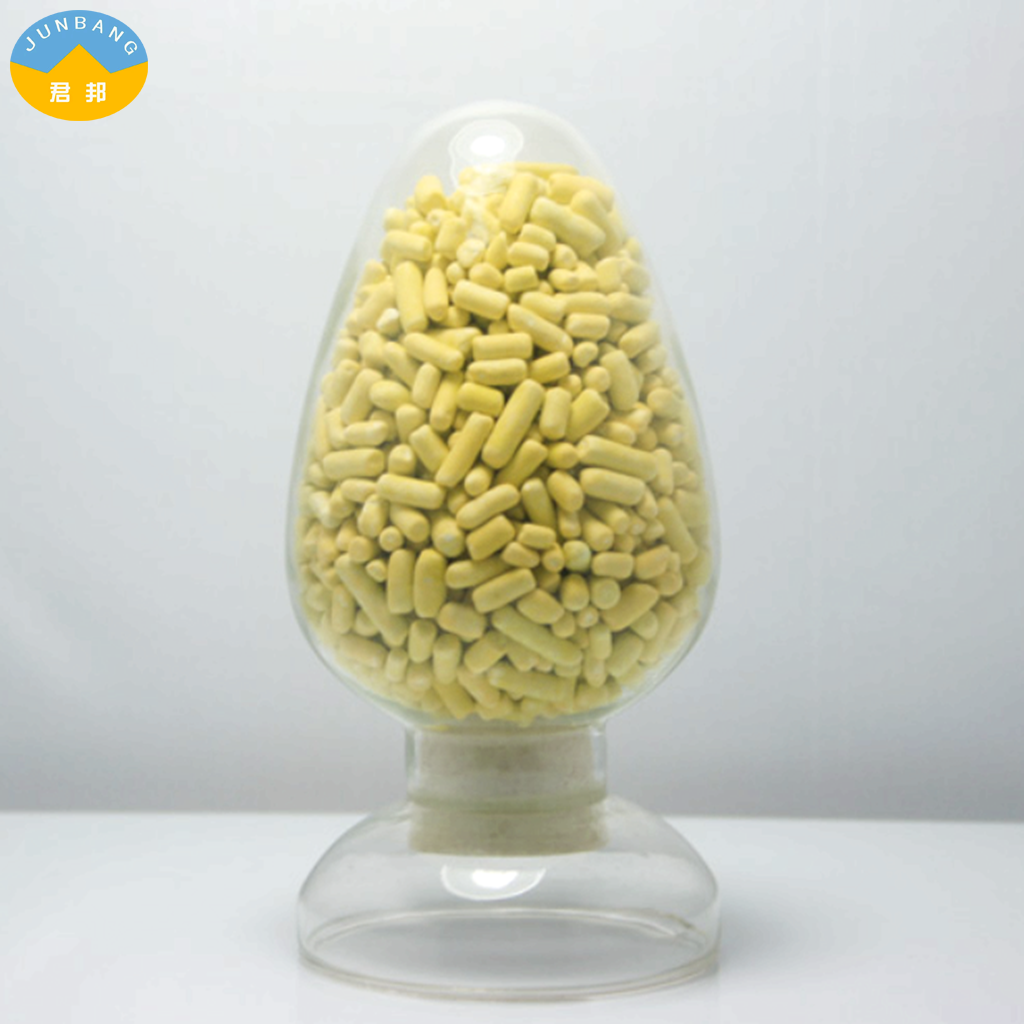
Different operational goals require distinctly different chemical profiles. Here is how the industry's most common reagents stack up in daily plant practice.
This chemical possesses a two-carbon (C2) chain, the shortest in the standard commercial family. Because of this short tail, it delivers exceptional selectivity during the flotation process. SEX is optimal for easily floatable sulfide minerals, such as clean, highly crystalline galena. Metallurgists also prefer it when processing complex ores. In these specific scenarios, you must strictly avoid floating reactive iron sulfides like pyrite or pyrrhotite into your final concentrate.
This reagent features a three-carbon (C3) chain. It offers a highly versatile middle ground for plant operators. The mining industry considers SIPX a classic "workhorse" generalist. Facilities widely use it in copper, molybdenum, and zinc flotation circuits globally. It provides an excellent, stable balance of mineral recovery mass and high concentrate grade. It remains the most common starting point for new metallurgical testing.
These represent the mid-to-long chain category, featuring four-carbon (C4) tails. They provide very strong collecting power. Operators frequently deploy SIBX and SBX for complex, finely disseminated, or slightly oxidized sulfide ores. This includes challenging copper, lead, and zinc deposits where metal surfaces have begun to tarnish. They are ideal for circuits requiring aggressive pulling power without completely sacrificing all selectivity.
These chemicals boast five-carbon (C5) chains, the longest standard commercial tails available. As a result, they deliver maximum hydrophobicity to the mineral surface. You apply SIAX and SAX to achieve absolute maximum recovery power. Plants typically use them as scavenger or initial rougher collectors to prevent metal loss. They excel when treating heavily tarnished, highly oxidized, or severely complex sulfide ores. However, you rarely use them where high concentrate selectivity is your primary operational goal.
Your selection process must rely on hard metallurgical data and mineralogical facts. Blindly guessing or copying another mine's regime leads to immediate operational losses.
First, you must assess the exact dissemination of your valuable mineral. Are you floating a clean, well-liberated chalcopyrite? If so, a shorter chain collector suffices perfectly. Alternatively, do you face a complex copper-zinc-pyrite matrix with microscopic mineral interlocking? Heavy interlock and poor liberation require a much more aggressive pull initially to prevent valuable losses.
Slurry pH heavily influences reagent stability and overall recovery power. These specific collectors perform best in alkaline circuits. Maintaining a slurry pH above 8.0 ensures long-term chemical stability in the flotation cells. Conversely, highly acidic environments cause rapid, dangerous chemical decomposition. You lose active reagent before it ever successfully attaches to the mineral.
Many plants achieve their best metallurgical results through strategic combination. A single collector rarely solves every mineralogical challenge. A common industry practice involves combining different collectors across various circuit stages. For example, you might dose a strong reagent like SAX in the rougher stage to maximize total metal yield. Later, you apply a highly selective chemical like SEX in the cleaner stage. This combination strategy effectively boosts the final concentrate grade.
Procurement teams must evaluate these bulk chemicals carefully. Cheaper per-ton pricing is completely irrelevant if the active purity percentage is low. Poorly manufactured batches often degrade quickly during ocean transit. You are ultimately paying for active chemistry, not just bulk physical weight.
Collector Selection Matrix Summary
Collector Name | Carbon Chain Length | Selectivity Level | Recovery Power | Best Application Circuit |
|---|---|---|---|---|
SEX | C2 (Short) | Very High | Low | Cleaner circuits, clean galena |
SIPX | C3 (Medium) | High | Medium | General rougher/cleaner, copper |
SIBX / SBX | C4 (Medium-Long) | Medium | High | Tarnished copper/zinc ores |
SAX / SIAX | C5 (Long) | Low | Very High | Scavenger circuits, oxidized ores |
Once you select an optimal reagent, you must handle it correctly on-site. Poor storage practices and lax safety protocols directly impact both plant efficiency and worker health.
You must actively examine the reality of your site's storage conditions. Exposure to moisture and excessive heat causes rapid hydrolysis. This chemical breakdown releases highly toxic carbon disulfide gas. It also severely reduces the product's actual metallurgical efficacy. Keep all packaging drums tightly sealed until the exact moment of mixing.
Plant operators must follow strict, unforgiving safety protocols. Consider these core requirements:
Always ensure rigorous mechanical ventilation in the chemical mixing area.
Avoid any moisture exposure or open water spray during manual dosing.
Operators must wear appropriate respirators, face shields, and chemical-resistant gloves at all times.
Treat carbon disulfide gas as highly flammable; strictly enforce no-smoking and no-spark zones.
Modern compliance pressures force mining facilities to adapt constantly. Strict environmental regulations monitor tailing pond water toxicity tightly. While traditional collectors remain absolutely essential, you must optimize your dosing precision. Some facilities now evaluate partial substitution strategies. They blend standard reagents with specialized, newer environmentally friendly collectors. This strategy can significantly reduce overall environmental toxicity without harming mineral recovery.
Purchasing industrial quantities demands a highly structured validation process. Do not rely on historical purchasing habits alone.
We strongly advise against blind bulk purchasing. You must validate the collector's specific impact on your unique ore body first. We recommend your lab run standard kinetic flotation tests to map out recovery speeds. Follow these up with comprehensive locked-cycle tests. This proves the chemistry actually works in a continuous flow before you commit major capital.
You must demand total transparency from your B2B chemical suppliers. Use this specific checklist when vetting manufacturing partners:
Certificate of Analysis (CoA): Always verify the active purity percentage per batch. Acceptable industrial grades usually test above 90% active substance.
Free Alkali Content: Demand strict limits on residual free alkali. High levels negatively impact long-term storage stability and can alter your circuit pH unexpectedly.
Packaging Integrity: Insist on UN-approved steel drums or sturdy wooden boxes. They must contain thick, secure inner plastic bags. These bags prevent moisture ingress during long ocean transit.
There is no single "best" option in the reagent market. Optimal selection requires a precise match between the chemical's carbon chain length and your specific metallurgical realities. Shorter chains protect your grade, while longer chains maximize your total yield. Finding the right balance defines a highly successful operation.
We encourage metallurgists and procurement heads to work closely together. Consult with technical reagent suppliers to arrange custom bench-scale testing. Validate your supply chain quality and active product purity before committing to plant-wide implementation. A structured, data-driven approach guarantees better metallurgical accounting and consistently higher plant profitability.
A: Both deliver the exact same active collector ion to the mineral surface. Potassium salts are slightly more stable over time and dissolve somewhat easier in cold plant water. However, sodium salts are generally more cost-effective to manufacture and purchase in bulk. The right choice largely depends on your specific operational budget and local climate constraints.
A: They decompose rapidly in acidic environments falling below pH 6. This rapid chemical breakdown releases toxic gases and completely destroys the reagent's collecting power. Because of this inherent instability, industrial froth flotation is almost always run in controlled alkaline conditions, typically maintained between pH 8 and 11.
A: Yes, combining them is standard, highly effective industry practice. Operators frequently use a strong, long-chain rougher collector like SAX to pull maximum mass quickly. They then switch to a highly selective short-chain cleaner like SIPX. This combined strategy maximizes both total recovery and final concentrate grade.
A: You can typically store them safely for 6 to 12 months. However, this shelf life strictly requires dry, cool, and well-ventilated warehouse conditions. Exposure to heat or moisture heavily accelerates hydrolysis. After 12 months, the active chemical strength sharply declines, leading to poor flotation performance.

