
close
Choose Your Site
Global
Social Media


Views: 0 Author: Site Editor Publish Time: 2026-11-07 Origin: Site


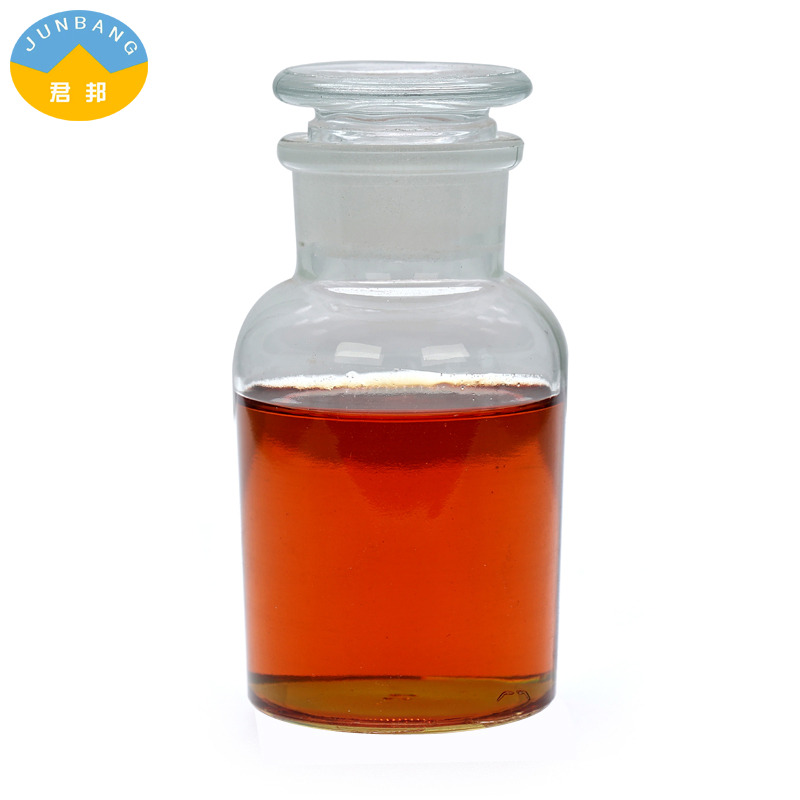
To effectively manage copper recovery, metallurgists must first grasp the molecular architecture of modern reagents. Many high-performance collectors are supplied as water-insoluble, oily liquids. This physical state dictates precise dosing protocols, often requiring neat addition directly into the grinding circuit to ensure optimal dispersion on freshly exposed mineral surfaces.
The selectivity of a Z-200 thionocarbamate reagent stems from its unique molecular structure. The combination of a central carbon atom bonded to sulfur and oxygen, paired with a nitrogen group, allows the molecule to act as an electron donor. This donor coordinates specifically with copper ions on the surface of sulfide minerals.
Unlike standard xanthates, which form indiscriminate bonds with various sulfide surfaces, these advanced collectors utilize steric hindrance. A bulky isopropyl group physically prevents the molecule from coordinating effectively with the iron sulfide lattice. As a result, the collector preferentially adsorbs onto copper-bearing minerals like chalcocite or covellite, while keeping pyrite relatively hydrophilic. Furthermore, this reagent class maintains its stability across varied pH ranges, helping operations minimize the scaling issues associated with high-calcium environments.
The global mining sector currently faces a structural decline in head grades, forcing plants to process deeper, more complex sulfide deposits. These ores often feature fine intergrowths of copper with reactive iron sulfides. In this landscape, moving away from "brute-force" bulk collectors has become an industry-wide necessity to satisfy both grade requirements and ESG mandates.
When comparing performance, the differences in selectivity are immediate. For instance, sodium diethyl dithiocarbamate is a powerful chelating agent, yet its dual-sulfur bonding sites often capture excessive iron sulfides, which dilutes the concentrate. By contrast, the refined bonding sites in modern thionocarbamates provide a moderated, targeted pulling power. This results in visibly cleaner rougher froths and a significant reduction in the circulating load within cleaner circuits.
In other scenarios, operators compare these reagents against specialized esters like Ester-105. While some esters excel in frothing, the thionocarbamate class frequently demonstrates superior performance in rejecting highly activated pyrite. Sophisticated plant designs often leverage these chemicals synergistically, using a blend to recover fine liberated particles while maintaining the necessary intensity to lift coarser composite grains.
The primary challenge in modern processing is the "decoupling" of valuable copper from reactive gangue. Because pyrite and copper minerals often exhibit similar flotation kinetics when using non-selective reagents, they tend to report to the concentrate together. Implementing a high-selectivity collector forces the froth phase to become disproportionately loaded with copper.
This decoupling effect offers tangible financial benefits, particularly for sites struggling with high arsenic penalties or rigid concentrate grade specifications. By ignoring iron-rich surfaces, you decrease the mass pull of unwanted minerals, effectively upgrading your product stream at the rougher stage. This approach moves the industry toward a precision-chemistry model, where minimizing toxic depressants and lime consumption becomes the default rather than the exception.
Theoretical efficiency is only valuable if it translates to your specific ore body. Mineralogy varies not just between different mining operations, but within different zones of the same pit. Therefore, a structured laboratory protocol is the backbone of any successful implementation.
You must begin by establishing a clear performance baseline. Run standard bench-scale rougher and cleaner tests using your current plant reagent suite, mapping the grade-recovery curves meticulously. Once you have this benchmark, introduce the new collector using precise equipment, such as micro-syringes, to ensure consistency.
A rigorous test matrix should evaluate four core variables:
Transitioning from a beaker to a high-tonnage circuit introduces hydrodynamic challenges. Before committing to a full-plant switch, Locked-Cycle Tests (LCT) are mandatory. These tests simulate a continuous loop by recycling intermediate streams back into the rougher feed, highlighting any potential buildup of "locked" particles or residual reagents that might disrupt circuit stability.
When you advance to a full-scale trial, the infrastructure must be ready. You cannot dilute these reagents in standard mixing tanks; they must be pumped neat using positive displacement equipment like peristaltic or diaphragm pumps. Closely monitor the froth characteristics during these early stages. If you observe a "sticky" froth or an unexpected spike in iron assays, adjust your dosage immediately. By combining rapid assay feedback with disciplined process control, your team can ensure the trial delivers the expected metallurgical and financial results.
The right reagent suite is the most effective lever for transforming copper recovery operations. By upgrading to highly selective chemistry, you can effectively isolate valuable copper from pyrite and gangue, even in complex mineralogical environments. As ore grades decline globally, the shift toward precise, efficient flotation chemistry is no longer just a technical upgrade; it is a fundamental requirement for long-term plant profitability.
The primary advantage is exceptional selectivity. While traditional xanthates are effective, they are often non-selective and trap massive amounts of iron sulfides. This specialized chemistry provides a targeted approach, which significantly reduces gangue entrainment and yields a much cleaner final concentrate.
Yes, it is highly compatible with many plant setups. It can often be used as a direct replacement or blended synergistically with other reagents to optimize copper-molybdenum separation. This flexibility allows metallurgists to fine-tune the circuit for maximum copper recovery during the rougher stages.
When managed correctly, it supports modern sustainability goals. By increasing the precision of the flotation process, you often reduce the total volume of harsh depressants and pH modifiers required in the plant, leading to a smaller environmental footprint per ton of copper produced.
Dosage must be empirically determined through site-specific laboratory testing. We recommend starting with a baseline dosage suggested by the manufacturer and conducting a systematic matrix of batch tests to plot a grade-recovery curve, which will pinpoint the precise dosage for your specific mineralogy.
Technical data sheets, safety guidelines, and application methodologies are available through authorized chemical suppliers. Engaging directly with a specialized reagent partner will provide your team with the necessary support and expertise to ensure a successful plant-scale implementation.

