
close
Choose Your Site
Global
Social Media


Views: 0 Author: Site Editor Publish Time: 2026-11-13 Origin: Site


Processing complex polymetallic ores presents a unique metallurgical hurdle. Galena, commonly known as lead sulfide, and sphalerite, or zinc sulfide, often share nearly identical flotation behaviors. Separating them efficiently is a major challenge. It demands precise chemical control. This is where the science of differential flotation comes into play. By deliberately manipulating the surface chemistry of these minerals, metallurgists can float one valuable mineral while keeping the other suspended in the pulp. At the heart of this delicate balancing act is zinc sulfate flotation. In this comprehensive guide, we will explore how to effectively control sphalerite response. We will detail the critical role of specific modifying agents and explain how synergistic reagents maximize ore grade and recovery in modern mineral processing facilities.
Key Takeaways
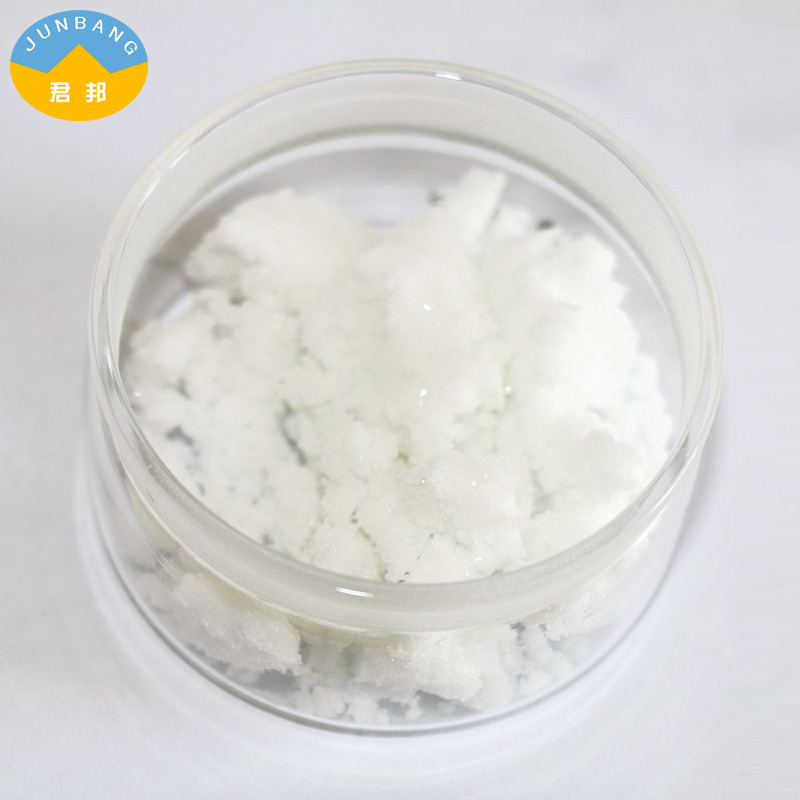
Polymetallic ore deposits naturally feature a close mineralogical association between galena and sphalerite. In many geological formations, these two valuable minerals are finely disseminated. They are physically interlocked at a microscopic level. Once the milling process grinds the ore to a fine particle size to liberate the galena, a new metallurgical problem arises. Both minerals exhibit naturally similar responses to standard sulfide collectors, such as xanthates.
Bulk flotation involves floating both lead and zinc together into a single mixed concentrate. However, this method is economically unviable. Modern smelting facilities require highly pure mineral concentrates to operate efficiently. Specifically, a lead smelter will heavily penalize or outright reject a feedstock containing high levels of zinc. This rejection occurs due to the creation of highly viscous slags that disrupt the furnace.
To solve this economic and technical dilemma, mineral processing facilities employ differential flotation. Instead of collecting all valuable sulfides at once, this sequential process involves selectively altering the surface properties of the slurry constituents. The standard metallurgical practice is to float the lead first while actively suppressing the zinc. Subsequently, operators float the zinc in a completely separate downstream circuit.
The primary modifying agent enabling this sequential separation acts as a dedicated barrier in the lead circuit. When added to the flotation pulp, it creates a hydrophilic, water-attracting layer on the surface of the sphalerite particles. This barrier ensures that the sphalerite remains submerged in the aqueous phase. It forms the tailings of the lead circuit, while the galena attaches to injected air bubbles and is recovered in the froth.
How does this chemical alteration actually work in a plant setting? The efficacy of a high-quality zinc sulfate depressant relies entirely on its chemical reactions within an alkaline environment. Flotation circuits are typically maintained at a specific pH level. This window is usually between 8.0 and 10.0, achieved using modifiers like lime or sodium carbonate.
When introduced into this alkaline slurry, the dissolved zinc ions undergo a rapid reaction with hydroxyl ions. This forms zinc hydroxide precipitates, along with basic zinc carbonate species. Through physical and chemical adsorption, these colloidal precipitates form a dense, microscopic coating over the sphalerite crystal lattice.
Flotation relies heavily on collectors to make mineral surfaces water-repellent. The primary goal of this zinc hydroxide coating is to block the adsorption of these flotation collectors, such as sodium isopropyl xanthate. Because the sphalerite is now shielded by a hydrophilic layer, the xanthate molecules cannot access the underlying zinc sulfide surface. In contrast, galena does not attract these zinc hydroxide precipitates to the same degree. The galena surfaces remain clean and active. They readily absorb the collector and float to the surface unhindered. Beyond its primary role, this chemical also exhibits a mild but noticeable depressing effect on iron sulfides like pyrite and marcasite. By limiting the flotation of these gangue minerals, operators achieve a higher overall purity in the final lead concentrate.
While effective under ideal conditions, industrial ore slurries are rarely chemically pure. They often contain varying amounts of soluble secondary minerals. During comminution, oxidized lead or copper minerals can release free heavy metal ions into the slurry water. If left unchecked, these highly reactive rogue ions will spontaneously undergo an ion-exchange reaction with the sphalerite surface. This happens before the protective coating can form, prematurely activating the mineral. Once activated, the sphalerite will aggressively absorb xanthate and float alongside the galena, ruining the separation.
To combat this accidental activation, metallurgists utilize synergistic chemical combinations. Introducing sodium sulfite alongside the primary depressant creates a highly controlled electrochemical environment. This combination has become an industry standard in modern flotation plants. It allows facilities to aim for high-grade concentrates without relying on highly toxic chemicals like cyanides.
Furthermore, the chemical synergy between these two reagents is profound. The sulfite acts as a powerful reducing agent, actively consuming dissolved oxygen in the flotation pulp. By lowering the oxidation-reduction potential of the slurry, it prevents further oxidation of sulfide minerals. Additionally, the sulfite ions react directly with rogue heavy metal ions, precipitating them out as insoluble sulfite compounds. By scavenging these dangerous ions from the solution, the sulfite ensures that the sphalerite surface remains pristine. This allows the zinc hydroxide coating to deposit without interference.
Once the lead flotation circuit is complete, the valuable galena has been skimmed off the top of the rougher and cleaner cells. The remaining slurry is now rich in depressed, hydrophilic sphalerite. This pulp is routed to the zinc conditioning tanks. At this stage, the metallurgical objective completely reverses. The sphalerite must now be forced to float.
To undo the effects of the previous depression phase, a copper sulfate activator is introduced into the conditioning tanks. The activation of sphalerite is driven by fundamental thermodynamics. Because copper sulfide is significantly more chemically stable than zinc sulfide, a rapid surface ion exchange occurs. The copper ions from the dissolved activator aggressively displace the zinc ions present within the crystal lattice at the mineral-water interface.
This chemical substitution fundamentally alters the surface identity of the mineral. It transforms the outer atomic layers into a pseudo-covellite film. Unlike the original heavily coated and depressed zinc surface, this newly formed copper-activated layer is highly reactive. It eagerly accepts xanthate or dithiophosphate collectors. This turns the previously water-loving particles intensely hydrophobic. Once conditioned, the activated sphalerite readily attaches to injected air bubbles. It is then carried to the surface to be recovered as a high-grade zinc concentrate.
The success of this delicate chemical balance is tightly bound to strict pH control. The active depressing compound, zinc hydroxide, only forms and remains stable within a specific mildly alkaline window. If the pH drops and becomes too acidic, the hydroxide dissolves back into solution, destroying the hydrophilic barrier. Conversely, if the pH rises above 11.0, the compound can convert into soluble zincate ions. This also negates the depressing effect. Plant operators must continuously monitor pH electrodes and adjust lime additions accordingly to prevent these fluctuations.
Reagent dosage must be carefully calibrated based on the specific mineralogy and head grade of the ore. Under-dosing leads to incomplete surface coating. This allows significant amounts of zinc to float into the lead concentrate, incurring heavy smelter penalties. Over-dosing, however, is not only an unnecessary expense but can cause severe downstream issues. It over-depresses the sphalerite, making it incredibly difficult to activate later. Best practices dictate multi-point addition. Splitting the dosage between the primary grinding mill and the rougher conditioning tanks ensures optimal dispersion.
Physical operational variables are just as critical. Pulp density impacts reagent dispersion. A slurry that is too thick prevents even distribution, leading to localized areas of under-depression. Adequate conditioning time is also required to ensure that the chemicals have sufficient opportunity to precipitate and physically adsorb onto the particles. Insufficient mixing time results in poor depression. Meanwhile, excessive agitation can cause mechanical attrition, literally rubbing off the protective coating.
| Feature | Zinc Sulfate + Sulfite System | Traditional Cyanide System |
|---|---|---|
| Environmental Impact | Eco-friendly, non-toxic, easier tailings management. | Highly toxic, requires strict regulatory compliance. |
| Sphalerite Depression | Excellent when pH is strictly controlled (8.0-10.0). | Very strong, but can cause permanent over-depression. |
| Iron Sulfide Control | Moderate; enhanced when combined with sulfites. | Aggressive depression of pyrite and marcasite. |
| Safety and Compliance Costs | Low handling risks, minimal compliance overhead. | High costs for safety training, storage, and disposal. |
Looking at recent developments in mineral processing, there is a clear industry trend toward precision chemistry and eco-friendly modifier blends. Driven by stricter environmental regulations and the depletion of easily processed high-grade ores, modern concentrators face new challenges. They are rapidly moving away from traditional, highly toxic cyanide-based depressants.
Instead, the focus has shifted heavily toward optimizing sulfate-based regimes. Advanced metallurgical plants are now employing automated dosing systems linked to real-time slurry sensors. This data-driven approach allows for dynamic adjustments of sulfite and sulfate ratios based on fluctuating ore grades. It ensures maximum depression efficiency while minimizing environmental impact and reagent waste. Furthermore, the processing of complex polymetallic ores now frequently demands tailored reagent suites rather than off-the-shelf solutions. This shift underscores a broader industry commitment to sustainable, high-efficiency mineral separation, prioritizing both metallurgical recovery and ecological responsibility.
When assay results indicate unacceptable levels of zinc in the final lead concentrate, operators must diagnose the root cause quickly. The most common culprit is an insufficient dosage of the depressant relative to the incoming ore grade. If increasing the dosage fails to solve the issue, accidental copper ion activation is likely occurring. This requires operators to evaluate the water chemistry. They may need to consider increasing the ratio of sulfites to precipitate out the rogue heavy metals.
If the lead circuit performs well, but the subsequent zinc circuit fails to recover the sphalerite, the problem usually stems from over-depression. When excessive reagents are used initially, the standard dose of the activator may not be strong enough to displace the heavy hydroxide coating. Solutions include optimizing the activator-to-depressant ratio through laboratory bench testing. Extending the conditioning time to allow the ion-exchange reaction to reach completion is another practical fix.
Flotation relies on a stable froth structure to carry the minerals over the lip of the cell. Excessive use of inorganic salts can occasionally alter the surface tension of the water. This creates a brittle froth that causes mineral particles to drop back into the pulp. Operators must balance their frother dosages carefully. The bubbles must remain elastic enough to support the weight of the dense sulfide particles without collapsing prematurely.
The chemical purity of industrial flotation reagents directly impacts metallurgical performance. Industrial-grade chemicals can sometimes contain trace impurities, such as cadmium, iron, or copper. Introducing heavy metal impurities directly via the depressant reagent is highly counterproductive. It can cause localized activation of sphalerite or consume valuable collectors. Sourcing high-purity reagents with strict quality control is non-negotiable for complex ore bodies.
For example, a premium grade product designed for mineral processing should feature a purity of greater than 98%. The active zinc content should be strictly maintained above 35% for monohydrate forms, or above 21% for heptahydrate forms. Heavy metal impurities must be tightly controlled. Cadmium and lead levels should be kept below 10 ppm. These strict parameters prevent accidental activation and ensure a consistent, reliable hydrophilic coating.
Similarly, when selecting a sulfite modifier, operators should look for a purity exceeding 96% with rapid dissolution characteristics. This ensures the reagent acts quickly in the conditioning tank to scavenge dissolved oxygen and rogue ions before they interfere with the primary separation process. Plant managers must rigorously evaluate their chemical suppliers. A reliable supplier provides reagents with uniform physical properties, high solubility, and guaranteed chemical purity from batch to batch.
Mastering this specific flotation chemistry is the key to unlocking maximum profitability in lead-zinc ore processing. By understanding the intricate surface chemistry at play, metallurgists can achieve precise differential separation. Knowing exactly how the targeted depressant restricts sphalerite and how the subsequent activator brings it back to life is crucial. When combined with synergistic modifiers and strict operational controls, processing plants can consistently produce high-grade, commercially viable mineral concentrates, ensuring long-term operational success.
If your processing facility is struggling with high zinc penalties in lead concentrates or poor recovery rates, optimizing your reagent suite is the first step. Choosing the right chemical modifiers with guaranteed purity and precise parameters can drastically improve your metallurgical outcomes. We encourage plant managers and metallurgists to explore high-performance flotation solutions. To find the exact chemical modifiers, depressants, and activators tailored for your specific ore body, please visit Junbang Chemical and discover products designed to maximize your plant's efficiency and profitability.
Dosage varies wildly depending on ore grade, mineralogy, and the presence of activating ions. Typically, it ranges from 200 g/t to 1500 g/t. Extensive bench testing and locked-cycle tests are required to find the exact optimal dose for a specific ore body.
Yes. While it is primarily recognized as a sphalerite depressant, empirical data shows it is also effective at mildly depressing pyrite, marcasite, and other iron sulfides. This effect is particularly pronounced when it is combined with other modifiers like sulfites or specific organic depressants.
While cyanide is a highly effective depressant for zinc and iron sulfides, it poses severe health, safety, and environmental risks. Combining sulfites with sulfate-based depressants offers a much safer, non-toxic alternative. Laboratory and plant data indicate that this combination achieves comparable metallurgical results without the stringent regulatory burdens of cyanide.
The conditioning time for the activator is usually brief, typically ranging from 3 to 10 minutes. This provides adequate time for the ion exchange process to occur on the sphalerite surface, creating the necessary pseudo-covellite layer before the thiol collectors are added to the pulp.
Process water quality is a critical variable. Water high in dissolved calcium, magnesium, or rogue heavy metals like copper and lead can prematurely consume reagents or accidentally activate sphalerite. Plants recycling process water must frequently monitor water chemistry and adjust modifier dosages to counteract these dissolved ions.
If the pH drops below 8.0, the environment becomes too acidic for the stable formation of zinc hydroxide precipitates. The protective hydrophilic coating on the sphalerite will dissolve back into the solution. This leaves the mineral surface exposed to collectors, resulting in unwanted zinc floating into the lead concentrate.

